Posted on

What Are SARMs? Mechanism of Action Explained

Research Disclaimer: This article is for informational and educational purposes only. All SARMs are sold as research compounds and are not intended for human consumption. Always consult qualified professionals before making any decisions about research protocols.

What Are SARMs?

SARMs — Selective Androgen Receptor Modulators — are a class of therapeutic compounds that selectively bind to androgen receptors in specific tissues. Unlike anabolic steroids, which flood the entire body with androgens and trigger widespread effects, SARMs are designed to target particular tissues like muscle and bone while minimising impact on organs like the liver, prostate, and skin.

The concept is straightforward: get the anabolic (muscle-building) benefits of androgens without the full spectrum of androgenic side effects. That selectivity is what makes them interesting to researchers — and why they’ve attracted serious attention from the fitness community.

How Do SARMs Work? The Science

To understand SARMs, you need to understand androgen receptors. These are proteins found in cells throughout your body that respond to androgens like testosterone. When testosterone binds to an androgen receptor, it triggers a cascade of genetic signalling that can increase protein synthesis, promote muscle growth, and strengthen bone density.

Anabolic steroids activate androgen receptors everywhere — muscle, bone, prostate, skin, liver, hair follicles. That’s why steroid use often comes with side effects like acne, hair loss, liver toxicity, and prostate enlargement.

SARMs work differently. They bind to androgen receptors with tissue selectivity, meaning they preferentially activate receptors in muscle and bone tissue while having reduced activity in other tissues. This selectivity comes from their unique molecular structure, which causes different conformational changes in the androgen receptor compared to testosterone or DHT.

Research published in the Journal of Medicinal Chemistry has demonstrated that different SARMs produce distinct receptor conformations, which is why individual compounds have varying anabolic-to-androgenic ratios and tissue-specific effects.

SARMs vs Steroids: The Key Difference

The fundamental difference is selectivity. Steroids are like a sledgehammer — powerful but blunt. SARMs are more like a scalpel — designed to target specific tissue with precision.

This doesn’t mean SARMs are side-effect free. Any compound that interacts with the hormonal system can have consequences. But the research consistently shows that SARMs produce fewer and milder side effects than traditional anabolic steroids, particularly at moderate doses. For a detailed comparison, see our SARMs vs Steroids guide.

Types of SARMs Available

Not every compound marketed as a “SARM” actually is one. True SARMs are selective androgen receptor modulators. Several popular compounds in the space work through entirely different mechanisms:

Actual SARMs (Androgen Receptor Modulators)

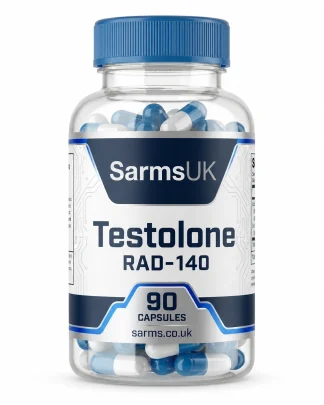
  • RAD-140 (Testolone) — One of the most potent SARMs available. Strong anabolic effects with a high selectivity ratio. Popular for lean mass and strength research.
  • Ostarine MK-2866 — The most extensively researched SARM with multiple human clinical trials. Excellent for beginners due to its mild side effect profile.
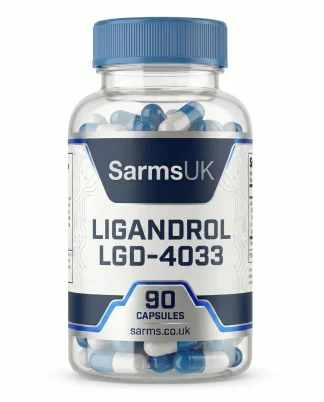
  • LGD-4033 (Ligandrol) — Potent muscle-building SARM with strong anabolic activity. A go-to for bulking protocols.
  • YK-11 — Unique compound that acts as both a SARM and a myostatin inhibitor, potentially unlocking genetic muscle-building limits.
  • Andarine S4 — Versatile SARM used in both cutting and recomposition research. One of the earliest SARMs developed.
  • ACP-105 — Newer SARM with a favourable anabolic-to-androgenic ratio, showing promise as a milder alternative.
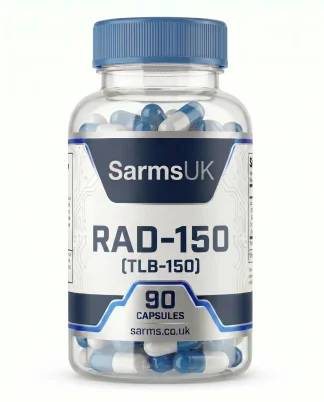
  • RAD-150 (TLB-150) — Esterified version of RAD-140 with an extended half-life for more stable blood levels.

Commonly Grouped with SARMs (But Technically Aren’t)

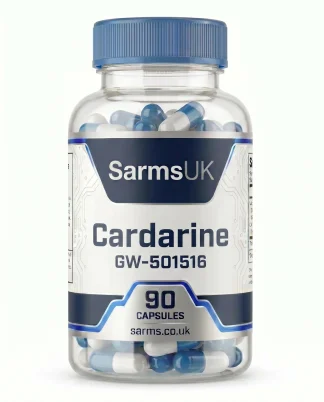
  • Cardarine GW-501516 — A PPARδ receptor agonist, not a SARM. Works by activating fat-burning pathways and boosting endurance. Doesn’t interact with androgen receptors at all.
  • MK-677 (Ibutamoren) — A growth hormone secretagogue, not a SARM. Stimulates GH and IGF-1 release. Popular for recovery, sleep quality, and appetite stimulation.
  • SR-9009 (Stenabolic) — A Rev-Erbα agonist, not a SARM. Influences circadian rhythm and metabolic pathways. Researched for endurance and fat metabolism.

This distinction matters because these non-SARM compounds don’t suppress testosterone production the way actual SARMs can, which affects PCT requirements and stacking strategies.

Are SARMs Legal in the UK?

Yes — with caveats. In the UK, SARMs are legal to buy and sell as research chemicals. They are not approved for human consumption, and they are banned in competitive sport by WADA (World Anti-Doping Agency). For a full breakdown, see our SARMs UK legality guide.

Are SARMs Safe?

“Safe” is relative. SARMs have a significantly better safety profile than anabolic steroids based on available research, but they are not without risk. Potential concerns include temporary testosterone suppression, mild liver enzyme elevation at higher doses, and lipid changes. We break this down honestly in our SARMs safety guide.

What matters most is compound quality. Poorly manufactured SARMs — contaminated, mislabelled, or underdosed — are responsible for many reported side effects. That’s why independent HPLC testing is non-negotiable when choosing a supplier.

Getting Started with SARMs

If you’re new to SARMs research, here’s a practical starting framework:

  1. Start with a well-researched compoundOstarine MK-2866 is the most studied and beginner-friendly.
  2. Understand cycling — SARMs are used in cycles, not continuously. Read our cycling guide.
  3. Plan for PCT — Most SARMs cause some testosterone suppression. Have a PCT protocol ready.
  4. Choose a verified supplier — Only buy from suppliers who publish third-party lab results for every batch.
  5. Consider a beginner stack — Our Beginner Muscle Stack (Ostarine + Cardarine) is designed for first-time researchers.

Why Compound Purity Matters

The unregulated nature of the SARMs market means quality varies dramatically between suppliers. Studies have found that a significant percentage of products sold online contain incorrect dosages, wrong compounds entirely, or undisclosed ingredients.

At SarmsUK, every batch is independently HPLC tested and manufactured in GMP-certified UK facilities. We publish Certificates of Analysis because transparency shouldn’t be optional in this industry.
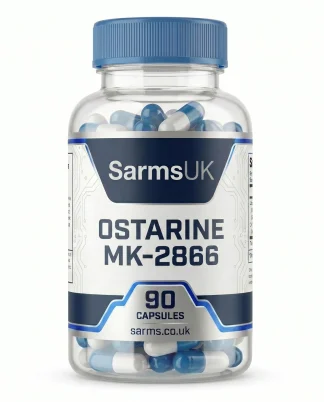
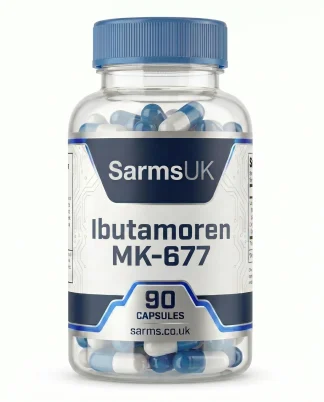
Browse our full range of HPLC-tested SARMs →

Posted on

Cycling SARMs: Dosage Timing, Length & Protocol Guide

Research Disclaimer: This article is for informational and educational purposes only. All SARMs are sold as research compounds and are not intended for human consumption.

What Is a SARMs Cycle?

A SARMs cycle is a defined period during which a specific compound (or combination of compounds) is taken at a consistent daily dose. After the cycle ends, you stop taking the compound and typically enter a post-cycle therapy (PCT) phase to allow your body’s hormonal system to recover.

This on/off approach isn’t arbitrary. Cycling exists for two key reasons:

  1. Hormonal recovery — Most SARMs cause some degree of testosterone suppression. Continuous use would keep natural testosterone levels chronically low.
  2. Receptor sensitivity — Androgen receptors can become desensitised with prolonged exposure. Time off allows receptors to “reset,” so subsequent cycles remain effective.

How Long Should a SARMs Cycle Last?

Cycle length varies by compound, but most research protocols follow these general ranges:

Compound Typical Cycle Length Notes
Ostarine MK-2866 8–12 weeks Mild suppression; longer cycles tolerated well
RAD-140 8–10 weeks More suppressive; shorter cycles recommended
LGD-4033 8–10 weeks Notable suppression at higher doses
YK-11 6–8 weeks Potent compound; shorter cycles advised
Andarine S4 8–12 weeks 5-on/2-off dosing pattern commonly used
ACP-105 8–12 weeks Milder compound; similar to Ostarine timing
RAD-150 8–10 weeks Extended half-life; lower daily doses possible

Non-SARM compounds have different considerations:

  • Cardarine GW-501516 — 8–12 weeks. Doesn’t suppress testosterone, so PCT isn’t typically needed.
  • MK-677 — Often run for 12–16 weeks (or longer). As a growth hormone secretagogue, it doesn’t affect testosterone.
  • SR-9009 — 8–12 weeks. Non-hormonal, no PCT needed.

Structuring Your Cycle

Phase 1: Pre-Cycle Preparation

Before starting any cycle, have everything in place:

  • Your SARMs supply for the full cycle (don’t start a 10-week cycle with 6 weeks of product)
  • PCT compounds ready before you begin
  • Baseline bloodwork if possible (testosterone, LH, FSH, liver enzymes, lipid panel)
  • Training and nutrition plan sorted

Phase 2: The Cycle

Take your daily dose at a consistent time. Most SARMs have half-lives that support once-daily dosing in the morning. Key principles:

  • Don’t change doses mid-cycle unless you’re following a planned taper
  • Don’t add compounds mid-cycle — if you want to stack, plan it from the start
  • Track your response — log training performance, body composition changes, and any side effects
  • Maintain caloric intake — SARMs won’t build muscle without sufficient protein and calories

Phase 3: Post-Cycle Therapy

After your last dose, begin PCT within a few days (timing depends on the compound’s half-life). PCT typically lasts 4–6 weeks and helps restore natural testosterone production.

Phase 4: Off-Cycle

After PCT, take time off before starting another cycle. A common guideline is time on + PCT = minimum time off. So a 10-week cycle with 4-week PCT means at least 14 weeks before the next cycle.

Stacking: Running Multiple Compounds

Stacking means using two or more compounds in the same cycle to target different pathways simultaneously. Common stacking approaches:

Key stacking rules:

  1. Never stack two compounds you haven’t run individually first
  2. Stacking increases suppression — PCT becomes more important, not less
  3. More compounds doesn’t always mean better results

Common Cycling Mistakes

  • Running cycles too long — Extending beyond recommended lengths increases suppression without proportional gains
  • Skipping PCT — Natural recovery happens faster with proper PCT. Don’t gamble with your hormones
  • Inadequate time off — Back-to-back cycles lead to chronic suppression and diminishing returns
  • Poor nutrition during cycle — SARMs enhance the muscle-building process but can’t replace proper training and diet
  • Using unverified compounds — If your SARMs aren’t HPLC tested, you don’t actually know what you’re taking

First Cycle Recommendations

For your first SARMs cycle, keep it simple:

  • Compound: Ostarine MK-2866 (most research data, mildest side profile)
  • Duration: 8 weeks
  • Follow with: 4-week PCT
  • Then: Minimum 12 weeks off before next cycle

Once you know how your body responds to a single compound, you can explore more potent options or stacking strategies in subsequent cycles.

Browse HPLC-tested SARMs for your next cycle →

Posted on

SARMs Post Cycle Therapy (PCT): Complete Guide

Research Disclaimer: This article is for informational and educational purposes only. All SARMs are sold as research compounds and are not intended for human consumption.

What Is Post Cycle Therapy (PCT)?

Post Cycle Therapy is a recovery protocol used after a SARMs cycle to help restore your body’s natural testosterone production. During a cycle, exogenous androgens (the SARMs) partially suppress your hypothalamic-pituitary-gonadal (HPG) axis — the hormonal feedback loop that controls testosterone production.

When you stop the cycle, your body needs time to recognise that exogenous androgens are gone and restart its own production. PCT speeds this process up and helps you retain the gains made during the cycle.

Why PCT Matters

Without PCT, your testosterone levels can remain suppressed for weeks or even months after a cycle. Low testosterone means:

  • Muscle loss — Without adequate testosterone, your body shifts from anabolic (building) to catabolic (breaking down) mode
  • Fat gain — Low T is associated with increased fat storage, particularly around the midsection
  • Low energy and mood — Fatigue, irritability, and reduced motivation are hallmarks of suppressed testosterone
  • Reduced libido — Testosterone drives sex drive; low levels affect it noticeably
  • Slower recovery — Training performance drops when hormonal support is lacking

PCT isn’t just about feeling better — it’s about keeping what you built during the cycle.

Which SARMs Require PCT?

Not every compound requires PCT. The key factor is whether it suppresses natural testosterone:

PCT Typically Required

PCT May Be Needed (Dose-Dependent)

  • Ostarine MK-2866 — Mild suppression; short/low-dose cycles may not need PCT, but longer cycles often do
  • ACP-105 — Milder compound, but suppression still possible at higher doses

PCT Not Required

This is why correctly classifying these compounds matters. Running PCT after Cardarine alone would be unnecessary.

Common PCT Compounds

The two most commonly used PCT compounds for SARMs are:

Nolvadex (Tamoxifen Citrate)

A selective oestrogen receptor modulator (SERM) that blocks oestrogen at the pituitary, stimulating LH and FSH release, which in turn tells the testes to produce testosterone. The most popular PCT choice for SARMs cycles.

  • Typical protocol: 20mg/day for weeks 1–2, then 10mg/day for weeks 3–4
  • Best for: Mild to moderate suppression (most SARMs cycles)

Clomid (Clomiphene Citrate)

Another SERM that works similarly to Nolvadex but is generally considered stronger. Usually reserved for heavier suppression.

  • Typical protocol: 50mg/day for weeks 1–2, then 25mg/day for weeks 3–4
  • Best for: Significant suppression (stacked cycles, potent compounds like YK-11 + RAD-140)

PCT Timing: When to Start

Start PCT based on the compound’s half-life — you want the SARM to have mostly cleared your system before beginning:

Compound Half-Life Start PCT
RAD-140 ~60 hours 3–4 days after last dose
LGD-4033 ~30 hours 1–2 days after last dose
Ostarine ~24 hours 1 day after last dose
YK-11 ~6–10 hours Next day
S4 ~4–6 hours Next day
RAD-150 ~48–72 hours 3–4 days after last dose

PCT Protocol by Cycle Intensity

Light Cycle (e.g., Ostarine solo 8 weeks)

  • Nolvadex 10mg/day for 4 weeks
  • Or: Assess with bloodwork — short Ostarine cycles may not need formal PCT

Standard Cycle (e.g., RAD-140 solo, LGD-4033 solo)

  • Nolvadex 20/20/10/10 mg over 4 weeks

Heavy Cycle (e.g., Advanced Stack or Bulk Mass Stack)

  • Clomid 50/50/25/25 mg over 4 weeks
  • Or: Clomid + Nolvadex together for the first 2 weeks, then taper

Supporting Recovery During PCT

PCT compounds handle the hormonal side, but you can support recovery further:

  • Maintain training intensity — Don’t drop volume drastically. Your body needs the stimulus to retain muscle
  • Keep protein high — At least 1g per pound of bodyweight to protect against catabolism
  • Sleep 7–9 hours — Testosterone production peaks during deep sleep
  • Consider natural T-support supplements — Ashwagandha, zinc, vitamin D, and magnesium all support healthy testosterone levels
  • Continue MK-677 if used — Since MK-677 doesn’t suppress testosterone, it can bridge through PCT to maintain GH support and appetite

Common PCT Mistakes

  • Skipping PCT entirely — “I feel fine” doesn’t mean your testosterone is fine. Get bloodwork.
  • Starting PCT too early — If the SARM is still active in your system, PCT is fighting against it
  • Using too much Clomid — Higher doses increase side effects (mood swings, vision issues) without proportional benefit
  • Jumping straight into another cycle — Minimum time off = cycle length + PCT length. Your HPG axis needs genuine recovery time

Bloodwork: The Only Way to Know

Symptoms are unreliable indicators of hormonal status. The only way to truly assess suppression and recovery is bloodwork. Recommended panels:

  • Pre-cycle baseline: Total testosterone, free testosterone, LH, FSH, oestradiol, liver enzymes (ALT/AST), lipid panel
  • End of cycle: Same panel to assess suppression level
  • End of PCT: Same panel to confirm recovery

Many UK services offer affordable at-home blood test kits that provide results within days.

Browse HPLC-tested SARMs at SarmsUK →

Posted on

Are SARMs Safe? What Current Research Tells Us

Research Disclaimer: This article is for informational purposes only. All SARMs are sold as research compounds and are not intended for human consumption.

Are SARMs Safe? An Honest Assessment

Let’s cut through the noise. You’ll find two camps online: one claiming SARMs are completely harmless, the other treating them like they’re as dangerous as anabolic steroids. Neither is accurate. Here’s what the research actually tells us.

What the Clinical Data Shows

Several SARMs have undergone human clinical trials, primarily for conditions like muscle wasting, osteoporosis, and cancer-related cachexia. These trials provide the most reliable safety data we have:

Ostarine MK-2866

Ostarine has the most clinical data. A Phase II trial involving 120 elderly men and postmenopausal women at 3mg/day for 12 weeks showed significant lean mass increases with no serious adverse events. Mild testosterone suppression was observed but recovered after discontinuation. Liver enzymes remained within normal ranges.

LGD-4033 (Ligandrol)

Ligandrol was studied in healthy young men at doses up to 1mg/day for 21 days. Results showed dose-dependent suppression of total testosterone, SHBG, and HDL cholesterol. All values returned to baseline within 5 weeks of stopping. No liver toxicity was reported.

RAD-140 (Testolone)

RAD-140 entered Phase I clinical trials for breast cancer. Early data suggests it’s well-tolerated, though full safety profiles from these trials haven’t been published yet.

Known Side Effects

Based on clinical data and extensive anecdotal reporting, here are the side effects associated with SARMs:

Testosterone Suppression

This is the most consistent and well-documented side effect. Nearly all true SARMs suppress natural testosterone production to some degree. The extent depends on:

  • Which compound — RAD-140 and LGD-4033 are more suppressive than Ostarine
  • Dose — higher doses cause more suppression
  • Duration — longer cycles increase suppression
  • Stacking — multiple SARMs compound the effect

This is why post-cycle therapy (PCT) is recommended for most cycles.

Lipid Changes

SARMs can temporarily reduce HDL (“good”) cholesterol. The LGD-4033 clinical trial showed a ~40% reduction in HDL at 1mg/day. This reversed after stopping. Higher doses and longer cycles may have more pronounced effects.

Mild Liver Enzyme Elevation

Some users report slight increases in ALT and AST liver enzymes, particularly at higher doses. Clinical trials at standard doses have not shown clinically significant liver toxicity, but it’s worth monitoring.

Other Reported Effects

  • Headaches (usually transient, first few days)
  • Fatigue toward the end of longer cycles (likely related to suppression)
  • Water retention with some compounds (LGD-4033 more than others)
  • Hair shedding (rare, typically in those predisposed to male pattern baldness)

What About Non-SARM Compounds?

  • Cardarine GW-501516 — The main concern is a 2007 rodent study that found tumour development at very high doses over extended periods. However, these doses were 40x higher than typical research doses and for much longer durations. No human studies have replicated this finding.
  • MK-677 — May increase appetite, cause water retention, and elevate blood glucose due to GH stimulation. Generally well-tolerated in clinical trials lasting up to 2 years.
  • SR-9009 — Limited human data. No significant safety concerns reported in research use.

The Biggest Actual Risk: Product Quality

Here’s the uncomfortable truth: the biggest safety risk with SARMs isn’t the compounds themselves — it’s what you’re actually taking.

Multiple studies have analysed SARMs products sold online and found alarming results:

  • A 2017 study published in JAMA found that only 52% of products sold as SARMs actually contained SARMs
  • 39% contained unapproved drugs or other unlisted ingredients
  • 25% contained substances not listed on the label
  • 9% contained no active compound at all

This means nearly half the “SARMs” being sold online are either fake, contaminated, or contain completely different compounds. Many “side effects” blamed on SARMs are likely caused by these contaminants.

This is exactly why HPLC testing matters. At SarmsUK, every batch is independently verified for identity and purity before sale.

How to Minimise Risk

  1. Only buy HPLC-tested products from suppliers who publish Certificates of Analysis
  2. Start with mild compoundsOstarine is the safest starting point
  3. Use appropriate doses — more isn’t always better
  4. Keep cycles reasonable — 8-12 weeks max for most compounds. See our cycling guide
  5. Run proper PCT — don’t skip it. PCT guide here
  6. Get bloodwork — before, during, and after your cycle
  7. Don’t stack until you know how individual compounds affect you

The Bottom Line

SARMs are not risk-free — no compound that interacts with your hormonal system is. But the clinical evidence shows they are significantly safer than anabolic steroids when used responsibly at reasonable doses for appropriate durations.

The real danger isn’t SARMs themselves — it’s unverified products from shady suppliers. Buy tested, buy verified, and respect the compounds.

Browse HPLC-tested SARMs at SarmsUK →

Posted on

SARMs vs Steroids: How They Compare (2025 Guide)

Research Disclaimer: This article is for informational and educational purposes only. SARMs are sold strictly as research compounds and are not intended for human consumption.

SARMs vs Steroids: A Practical Comparison

This is one of the most common questions in the research community: how do SARMs actually stack up against anabolic steroids? The short answer is they’re fundamentally different compounds with different mechanisms, different risk profiles, and different outcomes. Let’s break it down properly.

How They Work: The Core Difference

Anabolic Steroids

Anabolic-androgenic steroids (AAS) are synthetic derivatives of testosterone. They bind to androgen receptors throughout the entire body — muscle, bone, prostate, skin, scalp, liver, and everywhere else. This is why they’re effective for muscle growth but also why they cause widespread side effects. They can’t distinguish between tissues you want to affect and tissues you don’t.

SARMs (Selective Androgen Receptor Modulators)

SARMs were specifically designed to be tissue-selective. The “selective” in the name is the entire point. They preferentially target androgen receptors in muscle and bone tissue while having reduced activity in other tissues like the prostate, liver, and skin. This selectivity is what makes them interesting from a research perspective.

Think of it this way: steroids are a sledgehammer. SARMs are a scalpel. Both can drive a nail, but one does a lot more collateral damage.

Effectiveness: How Do Results Compare?

Let’s be honest — steroids are more powerful for raw muscle growth. That’s not controversial. A typical testosterone cycle will produce more lean mass than a typical RAD-140 or LGD-4033 cycle. That’s just reality.

But the comparison isn’t that simple:

Factor Anabolic Steroids SARMs
Lean mass gains High (5-15kg per cycle) Moderate (2-5kg per cycle)
Strength increase Significant Moderate to significant
Fat loss Varies by compound Some compounds excel (Cardarine, SR-9009)
Oral bioavailability Some (liver toxic), most injectable All orally bioavailable
Administration Often requires injections Oral dosing only
Tissue selectivity None High
Research stage Decades of clinical use Phase I-II clinical trials

Side Effect Profiles

This is where the differences become most significant.

Steroid Side Effects

  • Liver toxicity — oral steroids (Dianabol, Anadrol, Winstrol) are C-17 alpha-alkylated and known to cause liver stress and potential damage
  • Cardiovascular damage — significant negative effects on cholesterol (HDL/LDL), blood pressure, and left ventricular hypertrophy
  • Complete HPTA shutdown — steroids shut down natural testosterone production entirely, requiring aggressive PCT
  • Androgenic effects — acne, hair loss, body hair growth, voice deepening (in women)
  • Prostate enlargement — non-selective androgenic stimulation of prostate tissue
  • Gynecomastia — many steroids aromatise to oestrogen, causing breast tissue development
  • Water retention — significant bloating with many compounds
  • Testicular atrophy — occurs with prolonged use

SARM Side Effects

  • Mild testosterone suppression — dose-dependent, typically recovers within weeks. See our PCT guide
  • HDL cholesterol reduction — documented in clinical trials, reversible after discontinuation
  • Mild liver enzyme elevation — occasionally reported at higher doses, generally not clinically significant
  • No aromatisation — SARMs don’t convert to oestrogen, so no gynecomastia risk
  • No androgenic side effects — minimal impact on hair, skin, prostate due to tissue selectivity
  • No injection site risks — all oral administration

Legal Status

In the UK, the legal landscape is quite different for each:

  • Anabolic steroids are Class C controlled substances under the Misuse of Drugs Act 1971. Possession for personal use is legal, but supply and distribution is a criminal offence carrying up to 14 years imprisonment.
  • SARMs are not controlled substances in the UK. They can be legally purchased and possessed as research chemicals. They cannot be sold for human consumption. See our full UK legality breakdown.

Detection and Testing

Both steroids and SARMs are banned by WADA and all major sporting organisations. However, detection windows differ significantly:

  • Some steroids (particularly injectable esters like Nandrolone Decanoate) can be detected for 12-18 months after use
  • Most SARMs have detection windows of 2-4 weeks, though testing methods are improving

This is relevant for researchers studying detection methodologies, not as advice for athletic competition.

Who Chooses What (and Why)

Based on the research community’s patterns:

Researchers who choose SARMs tend to value:

  • Lower risk profile
  • Oral convenience (no injections)
  • Tissue selectivity
  • Milder suppression and easier recovery
  • Legal accessibility
  • Specific goals (cutting, recomposition, mild lean gains)

Where to start if you’re new to SARMs:

  • Ostarine MK-2866 — mildest SARM, most clinical data, ideal first compound
  • RAD-140 — strongest SARM for lean mass, comparable to mild steroid doses
  • Cardarine GW-501516 — not a SARM but excellent for endurance and fat oxidation

The Product Quality Factor

One critical difference: the steroid market has decades of established underground manufacturing. The SARMs market is newer and has a significant quality problem. A 2017 JAMA study found only 52% of products sold as SARMs actually contained the labelled compound.

This makes third-party HPLC testing absolutely essential when sourcing SARMs. At SarmsUK, every batch is independently tested and verified before sale.

The Bottom Line

SARMs aren’t “steroids lite.” They’re a different class of compound with a different mechanism of action and a fundamentally different risk-benefit profile. Steroids are more powerful but come with substantially more risk. SARMs offer a more targeted approach with fewer systemic effects.

Neither is “safe” in absolute terms — any compound that modulates your hormonal system carries risk. But the clinical data consistently shows SARMs have a meaningfully better safety profile than traditional anabolic steroids.

For more on SARM safety: Are SARMs Safe? What Research Shows

Browse HPLC-tested SARMs at SarmsUK →