Posted on

SARMs Legality in the UK: Full Legal Breakdown (2025)

Research Disclaimer: This article is for informational purposes only. All SARMs are sold as research compounds and are not intended for human consumption.

SARMs and UK Law: The Full Picture

SARMs occupy a unique legal position in the United Kingdom. They’re not outright banned, but they’re not fully approved either. Here’s exactly where they stand as of 2025.

Are SARMs Legal to Buy in the UK?

Yes. SARMs are legal to buy, sell, and possess in the United Kingdom. They are classified as research chemicals and can be freely purchased for laboratory and research purposes. There is no law prohibiting the purchase or possession of SARMs in the UK.

However, there are important caveats:

Not Approved for Human Consumption

SARMs have not been approved by the Medicines and Healthcare products Regulatory Agency (MHRA) for human use. No SARM has completed the full clinical trial process required for medicinal approval in the UK. This means they cannot legally be marketed, sold, or labelled as dietary supplements, food supplements, or medicines.

Novel Food Classification

The Food Standards Agency (FSA) classifies SARMs as “novel food” — meaning they don’t have a history of consumption in the UK prior to 1997 and haven’t received authorisation under the Novel Foods regulation. This prevents them from being sold as food or dietary supplements.

Sold as Research Chemicals

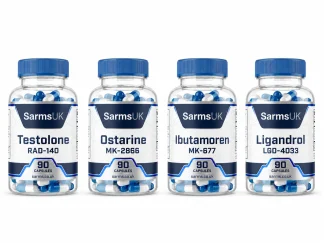
The legal pathway for SARMs in the UK is as research chemicals. This is how reputable suppliers, including SarmsUK, operate. Products are clearly labelled for research purposes only and are not marketed for human consumption.

SARMs and Sport: WADA Banned

The World Anti-Doping Agency (WADA) has listed all SARMs on its Prohibited List since 2008 under category S1.2 (“Other Anabolic Agents”). This means:

  • SARMs are banned in all competitive sport governed by WADA or UK Anti-Doping (UKAD)
  • This includes professional and amateur competitions, Olympic sports, and many recreational leagues
  • Athletes can be tested for SARMs and face sanctions including multi-year bans
  • Non-SARM compounds like Cardarine and SR-9009 are also on the WADA Prohibited List
  • MK-677 is banned under S2 (“Peptide Hormones, Growth Factors”)

If you compete in any tested sport, SARMs are off-limits. Full stop.

How Does This Compare to Steroids?

Anabolic steroids are classified as Class C controlled substances under the Misuse of Drugs Act 1971 in the UK. This means:

  • Possession for personal use is not illegal (unlike Class A or B drugs)
  • However, supply, distribution, and intent to supply are criminal offences carrying up to 14 years in prison
  • Importing steroids is also an offence under the same Act

SARMs are not classified as controlled substances. They don’t fall under the Misuse of Drugs Act, which means there are no criminal penalties for buying, possessing, or even supplying them. The legal framework is fundamentally different from steroids.

For a full comparison of how these compounds differ beyond legality, see our SARMs vs Steroids guide.

Can You Import SARMs into the UK?

Yes. Since SARMs are not controlled substances, there are no customs restrictions on importing them for personal research use. However, buying from overseas suppliers introduces risks:

  • No UK quality oversight — Foreign suppliers may not follow GMP standards
  • No HPLC verification — You can’t verify what you’re actually receiving
  • Customs delays — Packages from certain countries face additional scrutiny
  • Mislabelling risk — Studies have found significant percentages of imported SARMs contain wrong compounds or doses

Buying from a UK-based supplier like SarmsUK, with published HPLC lab reports and GMP manufacturing, eliminates these risks.

Could the Law Change?

It’s possible. There have been periodic discussions about tightening regulation around SARMs, particularly as their popularity has grown. Potential future changes could include:

  • Classification as controlled substances (following the steroid model)
  • Stricter enforcement of novel food regulations
  • MHRA intervention if health concerns escalate

As of 2025, however, no legislative changes are imminent. SARMs remain legal to purchase as research chemicals in the UK.

Summary: UK SARMs Legal Status

Activity Legal Status
Buying SARMs for research ✅ Legal
Possessing SARMs ✅ Legal
Selling SARMs as research chemicals ✅ Legal
Selling SARMs as food/supplements ❌ Not permitted (FSA)
Using SARMs in competitive sport ❌ Banned (WADA/UKAD)
Marketing SARMs as medicines ❌ Not permitted (MHRA)

Browse HPLC-tested, UK-manufactured SARMs →

Posted on

Best SARM for Muscle Growth: Research-Backed Rankings

Research Disclaimer: This article is for informational and educational purposes only. SARMs are sold strictly as research compounds and are not intended for human consumption.

Best SARMs for Muscle Growth: Ranked by Research Evidence

Not all SARMs are created equal when it comes to building lean mass. Some are designed for cutting, some for endurance, and some are specifically engineered to maximise muscle protein synthesis and hypertrophy. Here’s what the research actually shows about the best compounds for muscle growth.

1. RAD-140 (Testolone) — The Strongest Option

RAD-140 consistently tops the list for lean mass gains, and for good reason. Developed by Radius Health for muscle wasting and breast cancer, it has the highest anabolic-to-androgenic ratio of any SARM studied — approximately 90:1 compared to testosterone’s 1:1.

What the research shows:

  • Significant lean mass increases in preclinical models at low doses
  • Entered Phase I clinical trials (breast cancer) — well-tolerated
  • Strong binding affinity for androgen receptors in muscle tissue
  • Neuroprotective properties documented in research

Best for: Maximum lean mass gains, strength increases, body recomposition

Typical research dose: 10-20mg/day for 8-12 weeks

Suppression level: Moderate to high — PCT recommended

2. LGD-4033 (Ligandrol) — The Clinical Favourite

LGD-4033 has the most robust human clinical data for muscle growth of any SARM. Viking Therapeutics’ Phase II trial results were genuinely impressive.

What the research shows:

  • Phase II clinical trial: subjects gained 1.21kg lean mass in just 21 days at 1mg/day
  • Dose-dependent increases in lean body mass
  • Increased muscle strength (stair climbing speed improved significantly)
  • Effects maintained even after discontinuation in some subjects

Best for: Lean bulking, strength, clinical-grade evidence

Typical research dose: 5-10mg/day for 8-12 weeks

Suppression level: Moderate — PCT recommended

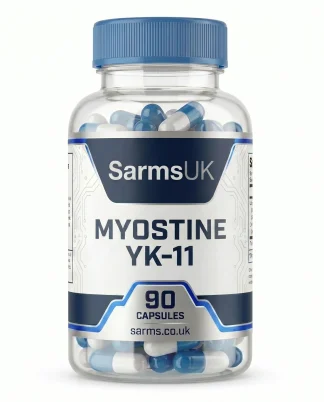
3. YK-11 (Myostine) — The Myostatin Inhibitor

YK-11 operates differently from traditional SARMs. It acts as both a partial androgen receptor agonist and a myostatin inhibitor. Myostatin is the protein that limits muscle growth — blocking it essentially removes your body’s natural ceiling on hypertrophy.

What the research shows:

  • Increases follistatin expression (the natural myostatin antagonist)
  • Promotes osteoblast activity for bone strength
  • Steroidal structure but selective action
  • Limited human clinical data — mostly cell-based studies

Best for: Breaking through plateaus, advanced researchers who’ve used other SARMs

Typical research dose: 5-10mg/day for 6-8 weeks

Suppression level: Moderate to high — PCT recommended

4. Ostarine MK-2866 — The Proven Starter

Ostarine isn’t the most powerful SARM for pure mass, but it has the most clinical evidence and the best safety profile. It’s the compound most researchers start with.

What the research shows:

  • Phase II trial: elderly subjects gained significant lean mass at just 3mg/day
  • Muscle preservation during caloric deficit (cancer cachexia studies)
  • No serious adverse events at clinical doses
  • Mild suppression that recovers quickly

Best for: First-time researchers, lean gains with minimal sides, muscle preservation during cutting

Typical research dose: 10-25mg/day for 8-12 weeks

Suppression level: Mild — PCT optional at lower doses

5. ACP-105 — The Underrated Alternative

ACP-105 is less well-known but shows promising anabolic activity with potentially fewer side effects than RAD-140 or LGD-4033. Developed by Acadia Pharmaceuticals, it offers a middle ground.

What the research shows:

  • Anabolic effects comparable to testosterone in preclinical models
  • Lower androgenic activity than other SARMs
  • Potential cognitive benefits documented in animal studies

Best for: Moderate gains with a lighter side effect profile

Typical research dose: 10-15mg/day for 8-12 weeks

Suppression level: Mild to moderate

Stacking for Maximum Growth

Some researchers combine compounds for synergistic effects. Popular mass-focused stacks include:

  • Beginner Stack: Ostarine + MK-677 — lean gains with GH support, minimal suppression
  • Intermediate Stack: RAD-140 + MK-677 — strong mass gains with appetite and recovery support
  • Advanced Stack: RAD-140 + LGD-4033 + MK-677 — maximum anabolic environment
  • Bulk Mass Stack: Full mass protocol for experienced researchers

Important: Don’t stack until you know how individual compounds affect you. Start with a single compound for your first cycle. See our cycling guide for protocol details.

Supporting Muscle Growth

No compound will compensate for poor fundamentals. Maximise results by ensuring:

  1. Caloric surplus — you need to eat above maintenance to grow
  2. Adequate protein — 1.6-2.2g per kg bodyweight
  3. Progressive overload — consistently increase training stimulus
  4. Sleep — 7-9 hours for optimal recovery and hormone production
  5. Consistency — compounds amplify effort, they don’t replace it

Product Quality Matters

With nearly half of SARMs products online containing incorrect or missing compounds (JAMA, 2017), sourcing from an HPLC-tested supplier isn’t optional — it’s essential. Every batch at SarmsUK is independently verified for identity and purity.

Browse HPLC-tested SARMs for muscle growth →

Posted on

Best SARMs for Bulking: Compounds Ranked for Muscle Mass

Research Disclaimer: This article is for informational and educational purposes only. SARMs are sold strictly as research compounds and are not intended for human consumption.

Best SARMs for Bulking: Maximum Lean Mass Guide

Bulking with SARMs is fundamentally different from bulking with steroids. You won’t gain 10kg in 8 weeks — but you also won’t look like you’re holding 5kg of water, your liver won’t be under siege, and your PCT won’t require a pharmacy. Here’s how to maximise lean gains with SARMs.

The Bulking Mindset with SARMs

SARMs produce quality gains — lean tissue with minimal water or fat. A realistic expectation for a well-structured SARM bulking cycle is 2-5kg of lean mass over 8-12 weeks, depending on compound choice, dose, training, and diet. That’s tissue you’ll actually keep post-cycle.

Top Bulking SARMs

1. RAD-140 (Testolone)

RAD-140 is the strongest SARM for lean mass. With an anabolic ratio of approximately 90:1, it drives significant muscle protein synthesis without the androgenic side effects of steroids.

Bulking benefits:

  • Highest anabolic potency of any commercially available SARM
  • Significant strength increases from week 2-3
  • Dry gains — no water retention or bloating
  • Neuroprotective properties (supports focus and drive during heavy training)

Dose: 10-20mg/day for 8-12 weeks | PCT: Required

2. LGD-4033 (Ligandrol)

LGD-4033 has the strongest clinical evidence for muscle growth. The Phase II trial showing 1.21kg lean mass gain in just 21 days at 1mg/day remains one of the most impressive results in SARM research.

Bulking benefits:

  • Dose-dependent lean mass increases (proven in humans)
  • Excellent strength gains
  • May cause slight water retention (more than RAD-140, less than steroids)
  • Well-studied safety profile

Dose: 5-10mg/day for 8-12 weeks | PCT: Required

3. YK-11 (Myostine)

YK-11 is unique — it inhibits myostatin, the protein that limits muscle growth. This gives it theoretical potential beyond traditional SARMs by removing your body’s natural cap on hypertrophy.

Bulking benefits:

  • Dual mechanism: androgen receptor agonist + myostatin inhibitor
  • Increases follistatin (myostatin’s natural antagonist)
  • Excellent for breaking plateaus
  • Bone-strengthening properties

Dose: 5-10mg/day for 6-8 weeks | PCT: Required

4. MK-677 (Ibutamoren) — The Growth Hormone Support

MK-677 isn’t a SARM — it’s a growth hormone secretagogue. But it’s arguably the most valuable bulking support compound available:

  • Increases GH and IGF-1 levels by 40-80%
  • Improves sleep quality (growth happens during sleep)
  • Increases appetite (helpful when forcing a surplus)
  • Enhances recovery between sessions
  • Can be run for extended periods (no hormonal suppression)

Dose: 15-25mg/day before bed | PCT: Not needed

5. ACP-105

ACP-105 offers moderate anabolic effects with a particularly clean side effect profile. Good for researchers who want steady gains without aggressive suppression.

Dose: 10-15mg/day for 8-12 weeks | PCT: Recommended

Best Bulking Stacks

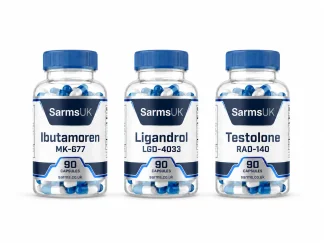
Stacking strategically can amplify results. Our pre-built stacks are designed for synergy:

Bulking Nutrition & Training

SARMs amplify your effort — they can’t replace it. For maximum bulking results:

  1. Caloric surplus: 300-500 calories above maintenance. More isn’t better — excess just becomes fat.
  2. Protein: 1.8-2.2g per kg bodyweight. Non-negotiable.
  3. Progressive overload: Add weight or reps every week. SARMs give you the recovery to train harder — use it.
  4. Training frequency: Each muscle group 2x per week minimum.
  5. Sleep: 7-9 hours. MK-677 helps significantly here.
  6. Consistency: 8-12 weeks of dialled-in effort. No shortcuts.

For cycle timing and protocols: Complete Cycling Guide

For post-cycle: PCT Guide

Browse bulking SARMs at SarmsUK →

Posted on

SARMs Side Effects: What the Research Actually Shows

Research Disclaimer: This article is for informational and educational purposes only. SARMs are sold strictly as research compounds and are not intended for human consumption.

SARMs Side Effects: The Complete Evidence-Based Breakdown

Every compound that interacts with your endocrine system has side effects. Anyone telling you SARMs are side-effect-free is either lying or uninformed. But the clinical data shows SARMs have a significantly more manageable side effect profile than anabolic steroids. Here’s exactly what the research says.

Clinically Documented Side Effects

These are side effects observed in actual human clinical trials — not forum anecdotes:

1. Testosterone Suppression

This is the most consistent and well-documented side effect. Every true SARM suppresses natural testosterone production to some degree.

What the clinical data shows:

  • LGD-4033: Phase I trial showed dose-dependent suppression. At 1mg/day for 21 days, total testosterone dropped significantly. Free testosterone and SHBG also decreased.
  • Ostarine: Phase II trial at 3mg/day showed mild suppression. Subjects recovered within 6-9 weeks post-discontinuation.
  • RAD-140: Phase I data (breast cancer trial) confirmed suppression, though detailed hormone panels aren’t fully published.

Key factors affecting suppression:

  • Compound: RAD-140 and LGD-4033 are most suppressive; Ostarine is mildest
  • Dose: Higher doses = more suppression (always)
  • Duration: Longer cycles = deeper suppression
  • Stacking: Multiple SARMs compound the suppressive effect

This is why post-cycle therapy (PCT) is standard practice. See our full PCT guide for recovery protocols.

2. HDL Cholesterol Reduction

The LGD-4033 clinical trial documented a ~40% reduction in HDL (“good” cholesterol) at 1mg/day. This reversed completely after discontinuation, but it’s significant during a cycle.

Other SARMs show similar patterns. This is worth monitoring, especially for researchers with pre-existing cardiovascular risk factors.

3. Liver Enzyme Elevation

Mild increases in ALT and AST have been reported, particularly at higher doses. Clinical trials at standard doses generally haven’t shown clinically significant hepatotoxicity — meaning the elevations are there but don’t indicate liver damage.

However, some case reports have documented more serious elevations at supraphysiological doses. Dose matters.

4. SHBG Reduction

Sex hormone-binding globulin decreases have been documented with LGD-4033 and RAD-140. This affects the ratio of bound to free testosterone and can influence recovery timeline.

Commonly Reported (Anecdotal) Side Effects

These are frequently reported in the research community but not always documented in clinical trials:

  • Headaches — usually transient, most common in the first few days. Often resolves once the body adjusts.
  • Fatigue / lethargy — typically appears toward the end of longer cycles, likely related to testosterone suppression.
  • Water retention — more common with LGD-4033 and MK-677. RAD-140, Ostarine, and Andarine tend to be “dry.”
  • Hair shedding — rare, typically only in those genetically predisposed to male pattern baldness. Generally reversible.
  • Insomnia — occasionally reported with RAD-140, particularly at higher doses.
  • Appetite changes — MK-677 significantly increases appetite (by design). Others may mildly suppress it.

Compound-Specific Side Effects

Compound Suppression Liver Impact Unique Concerns
Ostarine Mild Minimal Fewest reported sides of any SARM
RAD-140 Moderate-High Mild Occasional insomnia, increased aggression
LGD-4033 Moderate Mild Water retention, HDL suppression
YK-11 Moderate-High Moderate (steroidal) Limited human data — extra caution warranted
Andarine S4 Mild-Moderate Minimal Vision changes (yellow tint) at high doses
Cardarine None None Rodent tumour study at extreme doses (see product page)
MK-677 None None Increased appetite, water retention, blood glucose elevation
SR-9009 None None Short half-life requires split dosing

How to Minimise Side Effects

  1. Start low, titrate up — begin at the lower end of dose ranges and assess response
  2. Don’t exceed recommended durations — 8-12 weeks max for most compounds. See our cycling guide
  3. Run proper PCT — don’t skip recovery. PCT protocol here
  4. Get bloodwork — pre-cycle, mid-cycle, and post-cycle. Track hormones, liver enzymes, and lipids
  5. Don’t stack until you know individual responses — run single compounds first
  6. Buy verified products — many “side effects” are caused by contaminated or mislabelled products. HPLC testing is non-negotiable
  7. Support supplements — fish oil (lipids), NAC (liver), vitamin D, zinc, magnesium

SARMs vs Steroid Side Effects

For context, here’s what SARMs don’t typically cause (but steroids do):

  • ❌ Gynecomastia (no aromatisation)
  • ❌ Severe acne
  • ❌ Prostate enlargement
  • ❌ Significant hair loss
  • ❌ Injection site infections
  • ❌ Complete HPTA shutdown
  • ❌ Liver damage (at standard doses)

For a full comparison: SARMs vs Steroids Guide

Browse HPLC-tested SARMs at SarmsUK →

Posted on

The Complete SARMs Guide for UK Researchers

Research Disclaimer: This article is for informational and educational purposes only. SARMs are sold strictly as research compounds and are not intended for human consumption.

The Complete SARMs Guide: Everything You Need to Know

If you’re new to SARMs and want the full picture — what they are, how they work, how to use them, and what to watch out for — this is the guide. We’ve compiled everything from clinical trial data to practical research protocols into one comprehensive resource.

What Are SARMs?

Selective Androgen Receptor Modulators (SARMs) are a class of therapeutic compounds designed to have the anabolic (muscle-building) effects of androgens without the full systemic side effects of traditional anabolic steroids.

The key word is selective. Unlike steroids that bind to androgen receptors everywhere in your body, SARMs preferentially target receptors in muscle and bone tissue. This tissue selectivity is what makes them a focus of pharmaceutical research for conditions like:

  • Muscle wasting (cancer cachexia, sarcopenia)
  • Osteoporosis
  • Hormone replacement therapy alternatives
  • Breast cancer

For a deeper dive: What Are SARMs? The Science Explained

How Do SARMs Work?

SARMs work by binding to androgen receptors in specific tissues. When a SARM binds to a receptor in muscle tissue, it activates the same anabolic pathways that testosterone does — increasing muscle protein synthesis, nitrogen retention, and lean mass development.

The difference is in what they don’t do. Because of their molecular structure, SARMs have reduced activity in tissues like the prostate, liver, and sebaceous glands. This means:

  • ✔ Muscle growth stimulation
  • ✔ Bone density support
  • ❌ Minimal prostate stimulation
  • ❌ No aromatisation to oestrogen
  • ❌ Reduced androgenic effects (acne, hair loss)

Types of SARMs (and What’s Not Actually a SARM)

Not everything sold as a “SARM” actually is one. Here’s the proper classification:

True SARMs

  • Ostarine MK-2866 — the most researched SARM, ideal for beginners, developed for muscle wasting
  • RAD-140 (Testolone) — the strongest SARM for lean mass, 90:1 anabolic ratio
  • LGD-4033 (Ligandrol) — best clinical evidence for muscle growth
  • Andarine S4 — dry gains and hardening, one of the earliest SARMs
  • ACP-105 — moderate anabolic effects with a clean side effect profile
  • RAD-150 (TLB-150) — esterified version of RAD-140, longer half-life

SARM-like Compounds (Different Mechanisms)

Knowing the actual mechanism matters because it determines side effects, suppression levels, and PCT requirements.

SARMs for Different Goals

Goal Top Compounds Guide
Muscle growth RAD-140, LGD-4033, YK-11 Muscle growth rankings
Cutting / fat loss Cardarine, Ostarine, SR-9009 Cutting guide
Fat loss Cardarine, SR-9009, Ostarine Fat loss guide
Bulking RAD-140, LGD-4033, MK-677 Bulking guide
Endurance Cardarine, SR-9009 See compound pages
Recomposition RAD-140 + Cardarine, Ostarine See stacks

How to Cycle SARMs

A “cycle” is a structured period of use followed by a break. Typical structure:

  1. Cycle length: 8-12 weeks for most SARMs
  2. PCT: 4-6 weeks post-cycle recovery (for suppressive compounds)
  3. Off-cycle: At least equal to cycle length before next cycle

Full protocol details: Complete Cycling Guide

Post-Cycle Therapy (PCT)

Any compound that suppresses testosterone requires PCT. This typically involves:

  • Nolvadex (Tamoxifen) or Clomid (Clomiphene) for 4-6 weeks
  • Natural test boosters as support
  • Bloodwork to confirm recovery

Non-suppressive compounds (Cardarine, SR-9009, MK-677) don’t require PCT.

Full guide: SARMs PCT Guide

Side Effects

SARMs have a better side effect profile than steroids, but they’re not side-effect-free. Key concerns:

  • Testosterone suppression (dose and compound dependent)
  • HDL cholesterol reduction (reversible)
  • Mild liver enzyme elevation at higher doses

Full breakdown: SARMs Side Effects Guide

Legal Status in the UK

SARMs are legal to buy and possess in the UK as research chemicals. They cannot be sold for human consumption and are banned in competitive sport by WADA.

Full details: UK SARMs Legality Guide

Product Quality: Why HPLC Testing Matters

A 2017 JAMA study found that only 52% of products sold as SARMs actually contained the labelled compound. Some contained no active ingredient at all. Others contained banned steroids.

This is why third-party HPLC (High-Performance Liquid Chromatography) testing is essential. At SarmsUK, every batch is independently tested and verified before sale. Certificates of Analysis are available for every product.

Getting Started

If you’re new to SARMs research:

  1. Start with Ostarine — mildest compound, most data, best safety profile
  2. Run a single compound first — never stack on your first cycle
  3. Get bloodwork — before, during, and after
  4. Follow proper cycling protocols — don’t extend beyond recommended durations
  5. Buy from verified sources — HPLC testing is non-negotiable

Or explore our pre-built stacks: Beginner Stack | Intermediate Stack | Advanced Stack

Browse all HPLC-tested SARMs at SarmsUK →

Posted on

SARMs vs Prohormones: Key Differences Explained

Research Disclaimer: This article is for informational and educational purposes only. SARMs are sold strictly as research compounds and are not intended for human consumption.

SARMs vs Prohormones: A Detailed Comparison

SARMs and prohormones both target the androgen receptor pathway, but they do it in fundamentally different ways with very different risk profiles. If you’re trying to decide between them — or just want to understand the differences — here’s the full breakdown.

What Are Prohormones?

Prohormones are precursor compounds that convert into active anabolic hormones once inside your body. They’re essentially inactive on their own — they rely on enzymatic conversion (typically in the liver) to become active steroids.

Examples include:

  • 1-Androsterone — converts to 1-testosterone
  • 4-Androsterone — converts to testosterone
  • DHEA — converts to testosterone and oestrogen
  • Epistane — technically a designer steroid, often sold as a prohormone

The original generation of prohormones (Superdrol, Halodrol, etc.) were banned in the US under the Designer Anabolic Steroid Control Act of 2014. What’s sold as “prohormones” today are mostly DHEA derivatives with weaker conversion rates.

How SARMs Differ Mechanistically

The fundamental difference:

  • Prohormones convert into actual steroids in your body. Once converted, they behave exactly like steroids — binding non-selectively to androgen receptors throughout all tissues.
  • SARMs bind directly to androgen receptors with tissue selectivity. They preferentially activate receptors in muscle and bone while having reduced activity in prostate, liver, and skin.

This is why SARMs were developed in the first place — to get the anabolic benefits without the systemic androgenic effects.

Head-to-Head Comparison

Factor SARMs Prohormones
Mechanism Direct selective AR binding Enzymatic conversion to steroids
Tissue selectivity High None (act as steroids once converted)
Liver toxicity Minimal at standard doses Significant (methylated, liver-processed)
Testosterone suppression Mild to moderate Severe (full HPTA shutdown common)
Aromatisation No Yes (many convert to oestrogen)
Gynecomastia risk No Yes (oestrogen-related)
Hair loss risk Very low Moderate to high
Acne risk Very low Moderate to high
Prostate effects Minimal (selective) Significant (non-selective)
Muscle gains Moderate (2-5kg) Moderate to high (3-7kg)
Administration Oral (no liver methylation needed) Oral (methylated for bioavailability)
PCT required Yes (milder protocol) Yes (aggressive protocol needed)
Clinical trials Phase I-II in humans Very limited formal research
Legal status (UK) Legal as research chemicals Grey area / mostly discontinued

The Liver Problem

This is arguably the biggest practical difference. Prohormones must be 17-alpha-alkylated (methylated) to survive first-pass liver metabolism. This methylation is what makes them orally bioavailable — but it also makes them hepatotoxic.

SARMs, by contrast, are orally bioavailable without methylation. Their molecular structure allows absorption without the liver stress that defines prohormone use.

Typical prohormone cycles require liver support supplements (TUDCA, NAC, milk thistle) as standard. With SARMs at recommended doses, liver impact is generally subclinical.

The Oestrogen Problem

Many prohormones convert not just to anabolic hormones but also to oestrogen via aromatase enzymes. This means prohormone users often need:

  • Aromatase inhibitors (AIs) during cycle
  • SERMs for gynecomastia prevention
  • Careful oestrogen management throughout

SARMs don’t aromatise. Period. No oestrogen conversion means no gynecomastia risk, no bloating from oestrogen-related water retention, and no need for AIs.

Effectiveness

Stronger prohormones (the ones that are now mostly banned) were more potent than SARMs for raw muscle gain. The current generation of legal prohormones (mostly DHEA derivatives) are actually weaker than top-tier SARMs like RAD-140 or LGD-4033, with more side effects per unit of muscle gained.

That’s the trade-off that’s shifted the market toward SARMs — better results-to-risk ratio with the currently available compounds.

PCT Requirements

Both require post-cycle therapy, but the severity differs:

  • SARMs PCT: Typically Nolvadex 20-40mg/day for 4 weeks. Some mild SARMs (Ostarine at low doses) may not require PCT at all. See our PCT guide.
  • Prohormone PCT: Usually requires both a SERM (Nolvadex or Clomid) AND an AI, often for 4-6 weeks. More aggressive protocols because suppression is deeper.

The Verdict

The shift from prohormones to SARMs in the research community wasn’t accidental. SARMs offer:

  1. Better tissue selectivity (fewer systemic side effects)
  2. No liver methylation required (dramatically less hepatotoxicity)
  3. No aromatisation (no oestrogen management needed)
  4. Actual clinical trial data (prohormones have almost none)
  5. Milder suppression and easier recovery
  6. Clear legal status in the UK

Prohormones essentially give you steroid-like side effects with sub-steroid results. SARMs give you milder results than steroids with significantly fewer side effects. For most researchers, that’s a much better trade.

For more comparisons: SARMs vs Steroids | Are SARMs Safe?

Browse HPLC-tested SARMs at SarmsUK →

Posted on

Best SARMs for Fat Loss: Top Compounds Compared

Research Disclaimer: This article is for informational and educational purposes only. SARMs are sold strictly as research compounds and are not intended for human consumption.

Best SARMs for Fat Loss: What the Science Says

Fat loss compounds work through different mechanisms than muscle-building SARMs. Some increase fatty acid oxidation, others boost metabolic rate, and some preserve muscle so effectively that your body preferentially burns fat for fuel. Here’s the breakdown.

How SARMs Support Fat Loss

SARMs don’t directly “burn fat” the way stimulants do. Instead, they support fat loss through three mechanisms:

  1. Muscle preservation — more lean mass = higher basal metabolic rate
  2. Nutrient partitioning — directing calories toward muscle rather than fat storage
  3. Direct metabolic effects — some compounds (Cardarine, SR-9009) directly increase fat oxidation

Top Fat Loss Compounds Ranked

1. Cardarine GW-501516

Cardarine is the undisputed champion for fat loss. As a PPARδ agonist, it literally reprogrammes your cells to burn fat as their primary fuel source.

Fat loss mechanisms:

  • Activates fatty acid oxidation pathways in muscle
  • Reduces liver fat (demonstrated in clinical trials)
  • Improves insulin sensitivity
  • Dramatically increases exercise endurance — more training volume = more calories burned
  • Improves lipid profile (raises HDL, lowers LDL and triglycerides)

Clinical studies showed Cardarine reversed metabolic abnormalities in obese subjects by shifting fuel preference from glucose to fatty acids. It’s the closest thing to a “fat-burning switch” that exists in research compounds.

Dose: 10-20mg/day | Suppression: None | PCT: Not needed

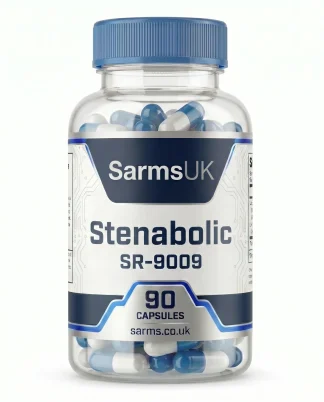
2. SR-9009 (Stenabolic)

SR-9009 works through a completely different pathway — Rev-Erbα activation. Think of it as resetting your body’s metabolic clock to a permanently “active” state.

Fat loss mechanisms:

  • Increases resting metabolic rate by 5-10%
  • Reduces fat storage even without dietary changes (animal studies)
  • Improves glucose uptake in skeletal muscle
  • Reduces inflammation markers

In preclinical research, mice given SR-9009 lost significant body fat without changes to diet or exercise. That said, human data is limited.

Dose: 20-30mg/day (split 3x due to short half-life) | Suppression: None | PCT: Not needed

3. Ostarine MK-2866

Ostarine supports fat loss indirectly by being the best muscle-preservation SARM during a caloric deficit. More muscle retained = higher metabolism = more fat burned.

Fat loss mechanisms:

  • Anti-catabolic: prevents muscle breakdown during energy restriction
  • Mild nutrient partitioning effects
  • Joint protection during intense training
  • Clinical evidence in cancer cachexia (extreme catabolic states)

Dose: 10-25mg/day | Suppression: Mild | PCT: Optional at lower doses

4. Andarine S4

Andarine is valued for producing a lean, dry physique. It helps strip subcutaneous water retention while maintaining — even increasing — vascularity.

Dose: 25-50mg/day | Suppression: Mild-moderate | PCT: Recommended at higher doses

5. MK-677 (Ibutamoren) — The Sleep & Recovery Enhancer

MK-677 isn’t typically thought of as a “fat loss” compound, but its GH-boosting effects make it a powerful support tool during cuts:

  • Elevated GH promotes lipolysis (fat breakdown), especially during sleep
  • Improves sleep quality — critical for fat loss and recovery
  • Preserves lean mass during restriction
  • Caveat: increases appetite, so requires discipline during a cut

Dose: 10-25mg/day (before bed) | Suppression: None | PCT: Not needed

Best Fat Loss Stacks

Stack Compounds Goal Suppression
Gentle Cut Cardarine 10mg + Ostarine 15mg Preserve muscle, burn fat Minimal
Aggressive Cut Cardarine 20mg + SR-9009 20mg + Ostarine 20mg Maximum fat oxidation Mild
Recomp RAD-140 10mg + Cardarine 15mg Build muscle + lose fat simultaneously Moderate

Diet & Training for Fat Loss

Compounds amplify effort — they don’t replace it. For optimal fat loss:

  • Moderate deficit: 300-500 calories below TDEE. Crash diets cause muscle loss regardless of what you’re taking
  • High protein: 2.0-2.4g/kg bodyweight minimum
  • Keep lifting heavy: Maintain intensity to signal your body to keep muscle
  • Cardio: Add 3-4 sessions/week. Cardarine makes sustained cardio dramatically easier
  • Track everything: Weigh yourself daily (use weekly averages), take progress photos, measure waist

For cycling protocols and timing: Complete SARMs Cycling Guide

For post-cycle recovery: PCT Guide

Browse fat loss SARMs at SarmsUK →