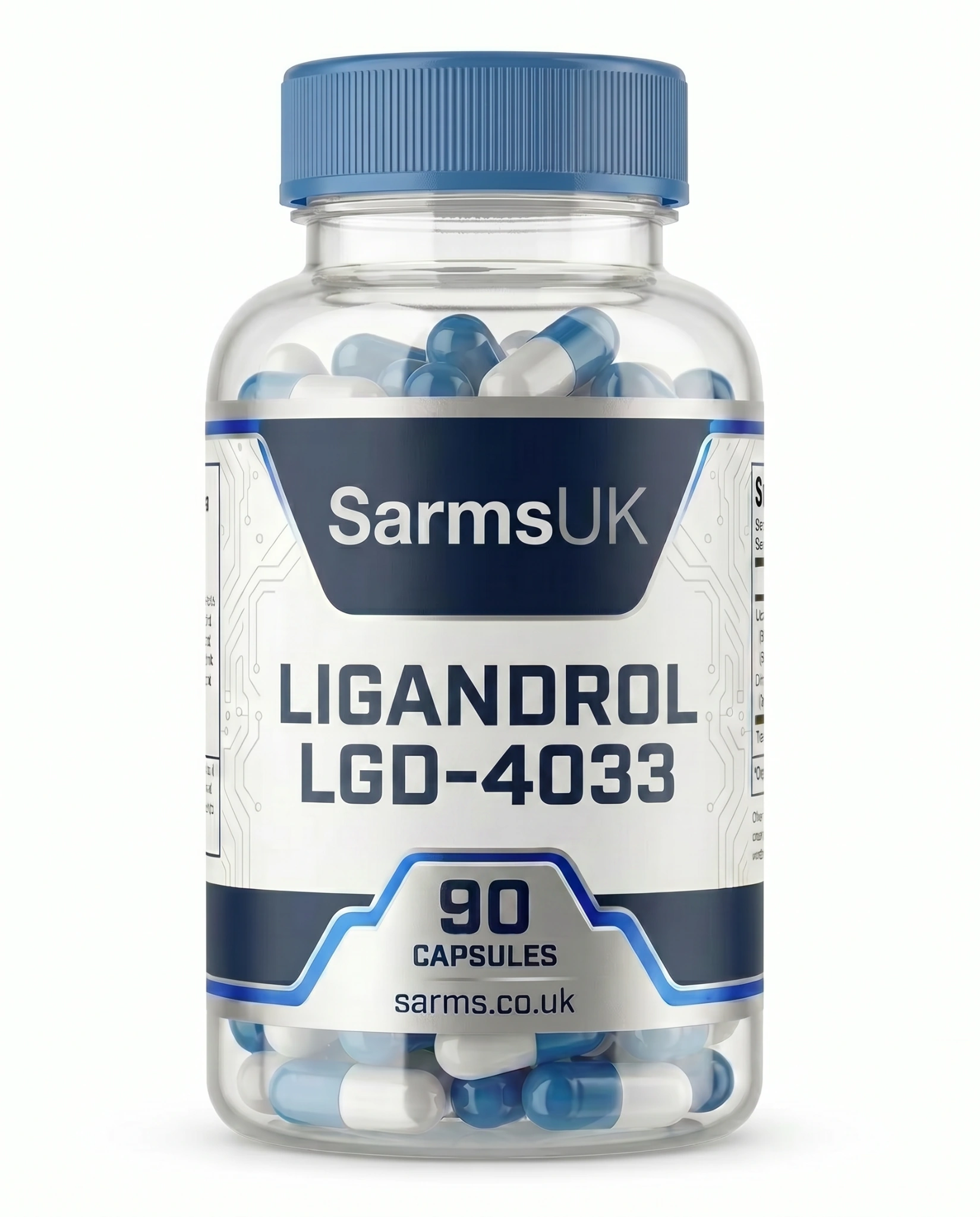
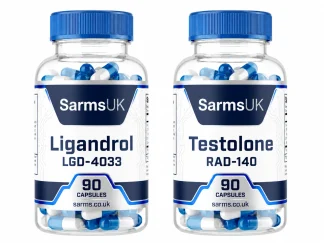
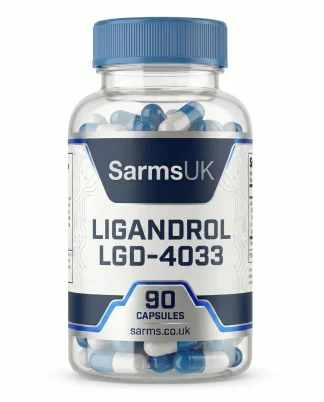
Ligandrol LGD-4033

  • Research-grade selective androgen receptor modulator (SARM)
  • 99%+ purity — independently HPLC tested
  • Phase I human trial: 1.21 kg lean mass gain at 1 mg/day in 21 days
  • ~10:1 anabolic-to-androgenic ratio
  • Active Phase II programme (Viking Therapeutics VK5211)
  • Free next-day UK delivery & international shipping
  • Manufactured in a GMP-certified UK facility
  • Certificate of Analysis included

£49.99

Buy Now
Compare
Categories: , Brand:

What Is Ligandrol LGD-4033 (VK5211)?

Ligandrol, also known as LGD-4033, VK5211, or Anabolicum, is a selective androgen receptor modulator (SARM) originally developed by Ligand Pharmaceuticals and now under active clinical development by Viking Therapeutics for hip fracture recovery. It is one of the most potent SARMs studied in humans, with a completed Phase I clinical trial demonstrating statistically significant lean body mass gains at just 1 mg per day over 21 days.

Looking to buy Ligandrol LGD-4033 in the UK? At sarms.co.uk, every batch of LGD-4033 we sell is HPLC-tested by independent third-party laboratories with 99%+ verified purity and full Certificates of Analysis published. We are a trusted UK Ligandrol supplier with free next-day delivery on all orders. Whether you’re searching for Ligandrol for sale UK, LGD-4033 capsules, or the best place to buy LGD-4033 in the UK, our research-grade Ligandrol meets the highest quality standards available.

LGD-4033 works by selectively binding to androgen receptors in skeletal muscle and bone tissue. Unlike testosterone or anabolic steroids that activate androgen receptors system-wide, Ligandrol targets muscle and bone while largely sparing the prostate, liver, and sebaceous glands. Its estimated anabolic-to-androgenic ratio is approximately 10:1, and it has one of the highest receptor binding affinities of any SARM studied to date.

Compound Profile

Chemical Name 4-((R)-2-((R)-2,2,2-trifluoro-1-hydroxyethyl)pyrrolidin-1-yl)-2-(trifluoromethyl)benzonitrile
Other Names VK5211, Anabolicum
CAS Number 1165910-22-4
Molecular Formula C₁₄H₁₂F₆N₂O
Molecular Weight 338.25 g/mol
Half-Life ~24-36 hours (confirmed in Phase I pharmacokinetic data)
Solubility PEG-300 / DMSO
Classification Non-steroidal SARM
Developer Ligand Pharmaceuticals / Viking Therapeutics
PubChem CID 44137686

How Does Ligandrol LGD-4033 Work? Mechanism of Action

LGD-4033 binds to androgen receptors with high affinity and selectivity, particularly in skeletal muscle and bone tissue. Once bound, it initiates anabolic gene transcription: the cellular machinery responsible for protein synthesis, nitrogen retention, and lean tissue accrual. Understanding how Ligandrol works explains why it produced such rapid results in clinical trials at remarkably low doses.

1. Exceptionally High Receptor Binding Affinity

LGD-4033 has one of the highest binding affinities of any SARM studied. Basaria et al. (2013) noted strong receptor engagement at very low doses, which is why meaningful lean mass changes were observed at just 1 mg/day in healthy volunteers. This high-affinity binding is what makes Ligandrol one of the most efficient SARMs per milligram (PMID: 22459616).

2. Tissue Selectivity

Like other SARMs, Ligandrol preferentially targets muscle and bone androgen receptors while showing minimal activity in the prostate and other androgenic tissues. That tissue selectivity is what differentiates SARMs from anabolic steroids and is the core pharmacological rationale behind LGD-4033’s clinical development for muscle wasting conditions.

3. No Aromatisation

LGD-4033 does not convert to oestrogen via the aromatase enzyme. In research settings, this means no oestrogen-mediated water retention or gynecomastia risk at the compound level. This makes Ligandrol suitable for both bulking and recomposition research protocols.

4. Dose-Dependent HPTA Suppression

The Phase I trial demonstrated that Ligandrol causes dose-dependent suppression of total testosterone, sex hormone-binding globulin (SHBG), and FSH/LH. At 1 mg/day, LGD-4033 suppression was mild. At higher doses, suppression was more pronounced. Importantly, all subjects recovered to baseline hormone levels within 5 weeks of stopping the compound, without any PCT intervention in the study protocol. This reversibility is a key data point when considering whether Ligandrol needs PCT in research settings.

Published Research on Ligandrol LGD-4033

LGD-4033 has completed a Phase I human clinical trial, with Phase II data from Viking Therapeutics’ hip fracture recovery programme showing strong results. The published LGD-4033 results from clinical research provide a solid evidence base that most SARMs lack.

Phase I Clinical Trial: LGD-4033 Results for Lean Mass

Basaria et al. (2013) published results from a randomised, double-blind, placebo-controlled Phase I trial in 76 healthy men aged 21-50. Over 21 days, subjects receiving LGD-4033 at 0.1 mg, 0.3 mg, and 1.0 mg per day showed dose-dependent increases in lean body mass. The 1 mg group gained an average of 1.21 kg of lean mass in just 3 weeks. That is one of the most rapid lean mass responses documented for any SARM at such a low dose (PMID: 22459616).

Phase I Safety Profile

The trial reported no serious adverse events across all dose groups. LGD-4033 side effects were minimal: liver enzymes remained within normal limits, lipid changes were not clinically significant, and there were no reports of Ligandrol side effects related to hair loss or liver toxicity at the studied doses. Testosterone suppression was dose-dependent but fully reversible within 35 days of cessation without PCT.

Viking Therapeutics Phase II: Hip Fracture Recovery (VK5211)

Viking Therapeutics acquired the LGD-4033 programme from Ligand and is developing it under the designation VK5211 for hip fracture recovery in elderly patients. Preliminary Phase II data showed significant improvements in lean body mass and functional outcomes compared to placebo. This is an active clinical programme as of 2024, with VK5211 representing one of the most advanced SARM development pipelines in existence. Viking has publicly stated that the results exceeded their internal benchmarks.

Preclinical Bone Density Research

Preclinical studies have demonstrated that LGD-4033 increases bone mineral density and bone mechanical strength in animal models. These findings support the compound’s potential for osteoporosis-related research and are consistent with the mechanism of action seen across the SARM class.

Key LGD-4033 Research Findings at a Glance

  • 1.21 kg lean mass gain at just 1 mg/day over 21 days in healthy men (Phase I trial)
  • Dose-dependent response across 0.1 mg, 0.3 mg, and 1.0 mg cohorts
  • No serious adverse events, no liver enzyme elevations, no clinically significant lipid changes
  • Dose-dependent testosterone suppression, fully reversible within 35 days without PCT
  • Phase II hip fracture data (VK5211) showing significant lean mass and functional recovery improvements
  • Preclinical evidence of increased bone mineral density and bone strength
  • No aromatisation to oestrogen at any tested dose

What This Means in Plain English

LGD-4033 is arguably the most efficient SARM for lean mass gain per milligram that has been tested in humans. Gaining over 1 kg of lean mass in 3 weeks at a 1 mg dose is a remarkable result. The Phase I safety data was clean, and Viking Therapeutics is investing in Phase II development, which suggests real commercial confidence. That said, the Phase I trial was only 21 days long and used doses far lower than what gets discussed in non-clinical contexts. Researchers working with higher doses or longer cycles are operating beyond the published evidence.

⚠️ Important: LGD-4033 has NOT received regulatory approval from the FDA or MHRA. It remains an investigational compound sold for research purposes only.

LGD-4033 vs RAD-140 vs Ostarine MK-2866: How Ligandrol Compares

If you’re comparing Ligandrol LGD-4033 to other SARMs, here’s how it stacks up based on available clinical and preclinical evidence. The LGD 4033 vs RAD 140 comparison and the LGD 4033 vs Ostarine comparison are two of the most common questions researchers ask.

Factor LGD-4033 (Ligandrol) RAD-140 (Testolone) Ostarine (MK-2866)
Anabolic potency High High Moderate
Anabolic:Androgenic ratio ~10:1 ~90:1 ~3:1
Human clinical trials Phase I completed, Phase II ongoing (VK5211) Phase I (breast cancer only) Phase II and III completed
Lean mass per mg (clinical data) 1.21 kg in 21 days at 1 mg No completed lean mass trials 1.4 kg in 12 weeks at 3 mg
HPTA suppression Moderate (dose-dependent, reversible) Likely dose-dependent Mild-to-moderate
Bone density effects Demonstrated in preclinical models Preclinical only Demonstrated in clinical trials
Neuroprotection Limited data Demonstrated in preclinical models Limited data
Aromatisation None None None
Typical research use Bulking, lean mass, strength Lean mass, strength, neuroprotection Recomposition, joints, cutting

The honest take: LGD-4033 produces the fastest lean mass gains per milligram of any SARM with human data. RAD-140 has a superior anabolic-to-androgenic ratio on paper (90:1 vs 10:1) but lacks completed lean mass trials for direct comparison. Ostarine has the deepest clinical evidence base (Phase II/III) but is less potent mg-for-mg. Ligandrol sits in the middle: stronger than Ostarine, better human data than RAD-140, but with more HPTA suppression than either at comparable research doses.

LGD-4033 Ligandrol Dosage and Cycle Length (Research Use Only)

Based on published LGD-4033 clinical trial data and commonly referenced research protocols, here is what the literature supports regarding Ligandrol dosage and LGD 4033 cycle length:

  • Clinical trial dosages: 0.1 mg, 0.3 mg, and 1.0 mg per day (Basaria et al., 2013)
  • Commonly referenced Ligandrol dosage in research protocols: 5-10 mg per day
  • Our LGD-4033 capsules contain 10 mg per capsule, 90 capsules per bottle
  • Ligandrol half life: ~24-36 hours (confirmed in Phase I pharmacokinetic data), supporting once-daily administration
  • Typical LGD 4033 cycle length: 8-12 weeks
  • Administration: Oral capsule

A note on LGD-4033 dosage: The clinical trial demonstrated statistically significant lean mass gains at just 1 mg/day. Doses commonly discussed in non-clinical contexts (5-10 mg) are 5-10x higher than what was validated in human trials. Higher Ligandrol dosage is likely to produce greater HPTA suppression and potentially more pronounced LGD 4033 side effects. Researchers should factor this dose-response relationship into protocol design.

Regarding LGD 4033 cycle length: the Phase I trial ran for only 21 days. Most research protocols reference 8-12 week cycles, but there is no published human safety data beyond the 21-day window. Longer cycles at higher doses mean operating beyond the evidence base.

LGD-4033 Side Effects: What the Evidence Shows

Understanding potential LGD 4033 side effects is essential for responsible research protocol design. Here is what the published evidence and commonly reported observations indicate:

Testosterone Suppression (LGD 4033 Suppression)

The Phase I trial confirmed dose-dependent suppression of total testosterone, free testosterone, SHBG, FSH, and LH. At 1 mg/day for 21 days, suppression was measurable but mild. All parameters recovered to baseline within 35 days of cessation without PCT. At higher research doses (5-10 mg), LGD 4033 suppression is likely more significant and may take longer to resolve, which is why most researchers include a PCT protocol following Ligandrol cycles.

Hair and Androgenic Concerns

The Phase I trial did not report hair loss as an adverse event at any dose. Ligandrol side effects related to hair loss (LGD 4033 side effects hair loss) are occasionally discussed in non-clinical contexts, but there is no published clinical data linking LGD-4033 to androgenic alopecia at researched doses. The compound’s tissue selectivity should theoretically spare hair follicles, though individual genetic sensitivity to androgens varies.

Liver Function

LGD 4033 side effects on the liver were specifically monitored in the Phase I trial. Liver enzymes (ALT, AST) remained within normal limits across all dose groups. There were no clinically significant hepatotoxicity signals. This is consistent with the non-17-alpha-alkylated structure of LGD-4033, which avoids the hepatotoxic pathway associated with many oral steroids.

Lipid Profile

The Phase I trial observed a modest decrease in HDL cholesterol that was dose-dependent. This is a common effect across the SARM class and is generally considered reversible upon cessation. LDL and triglyceride changes were not clinically significant.

Other Reported Effects

No serious adverse events were reported in the Phase I trial. Common non-clinical reports include mild headaches, dry mouth, and transient fatigue during the first week. These are anecdotal and not confirmed in controlled research settings.

LGD 4033 Stacking: Research Applications for Ligandrol

LGD-4033 is frequently studied in multi-compound research protocols. Because Ligandrol targets the androgen receptor, stacking it with compounds that work through different pathways avoids receptor competition. Common LGD 4033 stack combinations include:

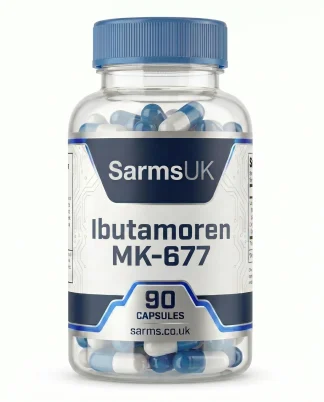
  • LGD 4033 stack with MK 677: One of the most popular research combinations. MK-677 (Ibutamoren) works through the GH/IGF-1 axis, not the androgen receptor, so there is no pathway interference. Researchers pair MK-677’s growth hormone elevation and sleep improvement with Ligandrol’s lean mass effects
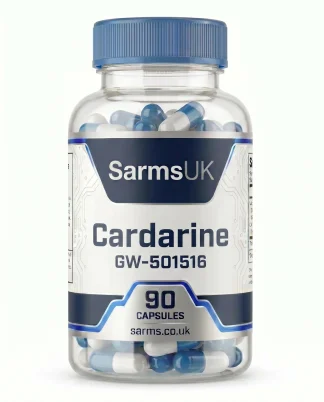
  • LGD 4033 stack with Cardarine: Cardarine GW-501516 is a PPARd agonist that enhances fat oxidation and endurance. Pairing it with LGD-4033 targets both lean mass accrual and metabolic improvement without competing at the androgen receptor
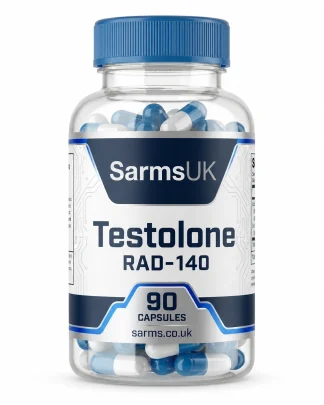
  • LGD 4033 stack with RAD 140: Both are potent SARMs targeting the androgen receptor, so this combination is typically used by experienced researchers. The RAD-140 and LGD-4033 combination is studied for maximum lean mass and strength protocols
  • LGD 4033 stack with Ostarine: Ostarine MK-2866 and Ligandrol are both SARMs, but Ostarine’s lower potency and joint/connective tissue benefits make this a common recomposition stack. Our Beginner Muscle Stack pairs these two compounds
  • LGD 4033 stack with YK11: YK-11 acts as both a partial AR agonist and a myostatin inhibitor, making it a unique stacking partner for researchers targeting multiple anabolic pathways

Does LGD-4033 Ligandrol Need PCT?

Whether Ligandrol needs PCT is one of the most common questions about this compound. Here is what the evidence says about LGD 4033 PCT requirements:

In the Phase I clinical trial, subjects at 1 mg/day recovered to baseline testosterone, SHBG, FSH, and LH levels within 35 days of stopping LGD-4033, without any PCT protocol. At that dose and duration (21 days), Ligandrol PCT was not necessary for hormonal recovery.

However, most research protocols use higher doses (5-10 mg) for longer durations (8-12 weeks). At those parameters, LGD 4033 suppression is likely more significant and recovery may take longer. Researchers commonly include a 4-week PCT phase following Ligandrol cycles at research-level doses. Common PCT compounds referenced alongside LGD-4033 include enclomiphene citrate, tamoxifen, and clomiphene.

The short answer: at clinical trial doses (1 mg/day for 21 days), no. At commonly referenced research doses (5-10 mg for 8-12 weeks), most protocols include LGD 4033 PCT as standard practice.

Who Is Researching Ligandrol LGD-4033 and Why?

  • Hip fracture recovery: Viking Therapeutics’ active Phase II VK5211 programme, targeting lean mass restoration and functional recovery in elderly patients
  • Muscle wasting and sarcopenia: the original development target for preserving lean mass in catabolic states and age-related muscle loss
  • Osteoporosis: preclinical bone mineral density and bone strength improvements support skeletal research applications
  • Lean mass accrual and bulking: the most commonly studied application, where Ligandrol’s high potency per milligram makes it a primary compound for mass gain research
  • Strength research: the Phase I trial noted dose-dependent improvements in stair-climbing speed, an objective functional measure
  • Body recomposition: researchers studying LGD-4033 alongside Cardarine or Ostarine for protocols targeting simultaneous lean mass gains and fat reduction
  • Dose-response research: LGD-4033’s clean Phase I data across three dose cohorts provides a valuable baseline for pharmacokinetic and pharmacodynamic modelling

Why Buy Ligandrol LGD-4033 from sarms.co.uk?

If you’re looking for the best place to buy Ligandrol in the UK, here is what sets us apart from other LGD-4033 suppliers:

HPLC-Tested Ligandrol: Purity You Can Verify

Every batch of our research-grade LGD-4033 is independently tested via High-Performance Liquid Chromatography (HPLC) by third-party laboratories. We publish full Certificates of Analysis for every batch. Download the PDF directly from this page and verify with the testing lab yourself.

Proper Concentration

10 mg LGD-4033 per capsule, 90 capsules per bottle. No underdosed products, no proprietary blends. You know exactly what concentration of Ligandrol you are getting.

UK Manufactured

All LGD-4033 is compounded in GMP-certified UK facilities using pharmaceutical-grade raw materials. Not imported from unregulated overseas labs.

Transparent Supply Chain

We test raw materials before compounding and test the finished LGD-4033 capsules after compounding. Two tests, two stages, full documentation.

Free Next-Day UK Delivery

All Ligandrol orders include free next-day delivery across the UK via Royal Mail Tracked 24, dispatched same day for orders placed before 2pm.

Storage and Handling

  • Store at room temperature (15-25C) in a cool, dry place
  • Keep away from direct sunlight and moisture
  • Keep the container tightly sealed after each use
  • Keep out of reach of children
  • Do not use past the expiry date printed on the label
  • Shelf life: 24 months when stored correctly

Ligandrol LGD-4033 Frequently Asked Questions

Is Ligandrol legal in the UK?

LGD-4033 is legal to purchase in the UK for research purposes. It is not approved for human consumption by the MHRA and is not a licensed medicine. Ligandrol is on WADA’s prohibited list for competitive athletes.

Does LGD-4033 require post-cycle therapy?

At clinical trial doses (1 mg/day for 21 days), testosterone recovered to baseline within 35 days without PCT. At commonly referenced research doses (5-10 mg for 8-12 weeks), LGD 4033 suppression is more significant and researchers commonly include a PCT protocol. Whether Ligandrol needs PCT depends on dosage and duration.

What are the known LGD 4033 side effects?

The Phase I trial reported no serious adverse events. Dose-dependent testosterone suppression (reversible), modest HDL cholesterol reduction, and no liver enzyme elevations were the main findings. Ligandrol side effects such as hair loss and liver toxicity were not observed at clinical doses. Higher doses used in non-clinical settings may carry additional risks not captured in the trial data.

What is the LGD-4033 half life?

Ligandrol half life is approximately 24-36 hours based on Phase I pharmacokinetic data from Basaria et al. (2013). This supports once-daily dosing in research protocols.

LGD 4033 vs RAD 140: what is the difference?

Both are potent SARMs targeting lean mass. LGD-4033 has completed Phase I human trials with published lean mass data (1.21 kg in 21 days at 1 mg); RAD-140 has no completed lean mass trials. RAD-140 has a higher anabolic-to-androgenic ratio (90:1 vs 10:1). Ligandrol is generally studied for mass gain, while RAD-140 (Testolone) is studied for lean strength and neuroprotection.

LGD 4033 vs Ostarine: which is better?

“Better” depends on the research objective. Ligandrol is more potent per milligram for lean mass (1.21 kg at 1 mg/day vs Ostarine’s 1.4 kg at 3 mg/day over a longer period). Ostarine MK-2866 has more clinical trial data (Phase II/III), better evidence for joint and bone health, and causes less HPTA suppression. For pure mass research, LGD-4033. For joint health, recomposition, or lower suppression, Ostarine.

What LGD-4033 dosage was used in the clinical trial?

Basaria et al. (2013) used 0.1 mg, 0.3 mg, and 1.0 mg per day over 21 days. The 1 mg dose produced a 1.21 kg lean mass gain. No higher doses were tested in humans. Commonly referenced Ligandrol dosage in research protocols is 5-10 mg per day, which is significantly above the clinically validated dose.

Can I stack LGD-4033 with MK-677?

The LGD 4033 and MK 677 stack is one of the most commonly studied multi-compound protocols. MK-677 (Ibutamoren) works through the GH/IGF-1 axis with no androgen receptor involvement, so there is no pathway competition with Ligandrol. Researchers pair MK-677’s growth hormone elevation and sleep benefits with LGD-4033’s lean mass effects.

How long is a typical LGD 4033 cycle?

Most research protocols reference an LGD 4033 cycle length of 8-12 weeks. The Phase I clinical trial ran for 21 days. Longer cycles may produce greater LGD 4033 suppression and should include PCT planning. There is no published human safety data for cycles longer than 21 days.

Is LGD-4033 still being developed as a medicine?

Yes. Viking Therapeutics is actively developing LGD-4033 under the designation VK5211 for hip fracture recovery in elderly patients. Phase II clinical trial data showed significant improvements in lean body mass and functional recovery. This is one of the most advanced SARM clinical programmes currently running.

Where is the best place to buy Ligandrol LGD-4033 in the UK?

sarms.co.uk stocks research-grade Ligandrol LGD-4033 with 99%+ HPLC-verified purity and published Certificates of Analysis for every batch. All products are UK manufactured in GMP-certified facilities with free next-day delivery and dedicated customer support.

What is the Ligandrol price in the UK?

LGD-4033 pricing varies by concentration and volume. At sarms.co.uk, we offer competitive UK Ligandrol pricing with no hidden fees. Check the product options above for current pricing. All orders include free next-day UK delivery.

Does LGD-4033 cause hair loss?

The Phase I clinical trial did not report hair loss as an adverse event at any dose tested. LGD 4033 side effects related to hair loss are discussed anecdotally but are not supported by published clinical data. Individual genetic sensitivity to androgens may play a role at higher research doses.

Is LGD-4033 safe for women?

The Phase I trial was conducted exclusively in healthy men aged 21-50. There is no published clinical data on Ligandrol side effects in women. Preclinical data suggests tissue selectivity should reduce virilisation risk compared to traditional androgens, but this has not been validated in human female subjects.

Related SARMs and Research Compounds

Researchers studying Ligandrol LGD-4033 often investigate these complementary compounds for multi-target protocols and LGD 4033 stacking applications:

  • RAD-140 (Testolone): A potent SARM with a 90:1 anabolic-to-androgenic ratio and demonstrated neuroprotective properties. The LGD 4033 vs RAD 140 comparison is one of the most common in SARM research
  • Ostarine MK-2866 (Enobosarm): The most clinically studied SARM, with Phase II/III trial data. Commonly paired with Ligandrol in our Beginner Muscle Stack
  • MK-677 (Ibutamoren): A growth hormone secretagogue (not a SARM) commonly studied alongside LGD-4033. The LGD 4033 MK 677 stack targets lean mass, recovery, and sleep quality through complementary pathways
  • Cardarine GW-501516: A PPARd agonist for fat oxidation and endurance research. Frequently paired with Ligandrol in recomposition protocols
  • YK-11: A dual AR agonist and myostatin inhibitor, studied alongside LGD-4033 in advanced stacking protocols targeting multiple anabolic pathways
  • Stenabolic SR-9009: A Rev-Erba agonist for metabolic and circadian research, sometimes combined with LGD-4033 in cutting-phase protocols
  • Andarine S4: A SARM studied for cutting and recomposition research, complementing Ligandrol’s bulking applications
  • ACP-105: A newer SARM with partial agonist activity and a potentially milder suppression profile
  • Pre-Built SARMs Stacks: Ready-made multi-compound research protocols including Ligandrol-containing combinations

References and Further Reading

  • Basaria S, et al. (2013). “The safety, pharmacokinetics, and effects of LGD-4033, a novel nonsteroidal oral, selective androgen receptor modulator, in healthy young men.” The Journals of Gerontology Series A: Biological Sciences and Medical Sciences, 68(1), 87-95. PMID: 22459616
  • Narayanan R, et al. (2018). “Selective Androgen Receptor Modulators (SARMs) as Function Promoting Therapies.” Current Opinion in Clinical Nutrition and Metabolic Care, 21(3), 233-237. PMID: 29528862
  • Viking Therapeutics. “VK5211 for Hip Fracture Recovery.” vikingtherapeutics.com
  • Dalton JT, et al. (2011). “The selective androgen receptor modulator GTx-024 (enobosarm) improves lean body mass and physical function in healthy elderly men and postmenopausal women: results of a double-blind, placebo-controlled phase II trial.” Journal of Cachexia, Sarcopenia and Muscle, 2(3), 153-161. PMID: 22031847

Disclaimers

  • Ligandrol (LGD-4033) is sold strictly for laboratory and research purposes only
  • This product is not intended for human consumption
  • LGD-4033 is not a medicine, supplement, or food product
  • Not suitable for individuals under 18 years of age
  • Pregnant or breastfeeding women must not handle this compound
  • Researchers should consult qualified professionals and adhere to all applicable regulations
  • sarms.co.uk does not provide medical advice and makes no claims regarding therapeutic outcomes
  • We are not responsible for any adverse effects resulting from misuse of this product
  • Results referenced are from clinical and preclinical studies and may not apply outside controlled research settings
  • The content on this page does not constitute medical advice

Content last reviewed: February 2026

Weight 4.2 kg
Dimensions 1 × 2 × 3 cm

Reviews

There are no reviews yet

Be the first to review “Ligandrol LGD-4033”