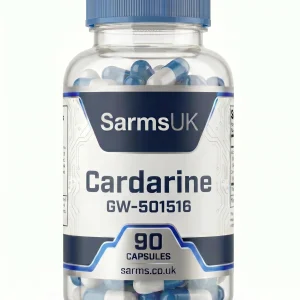
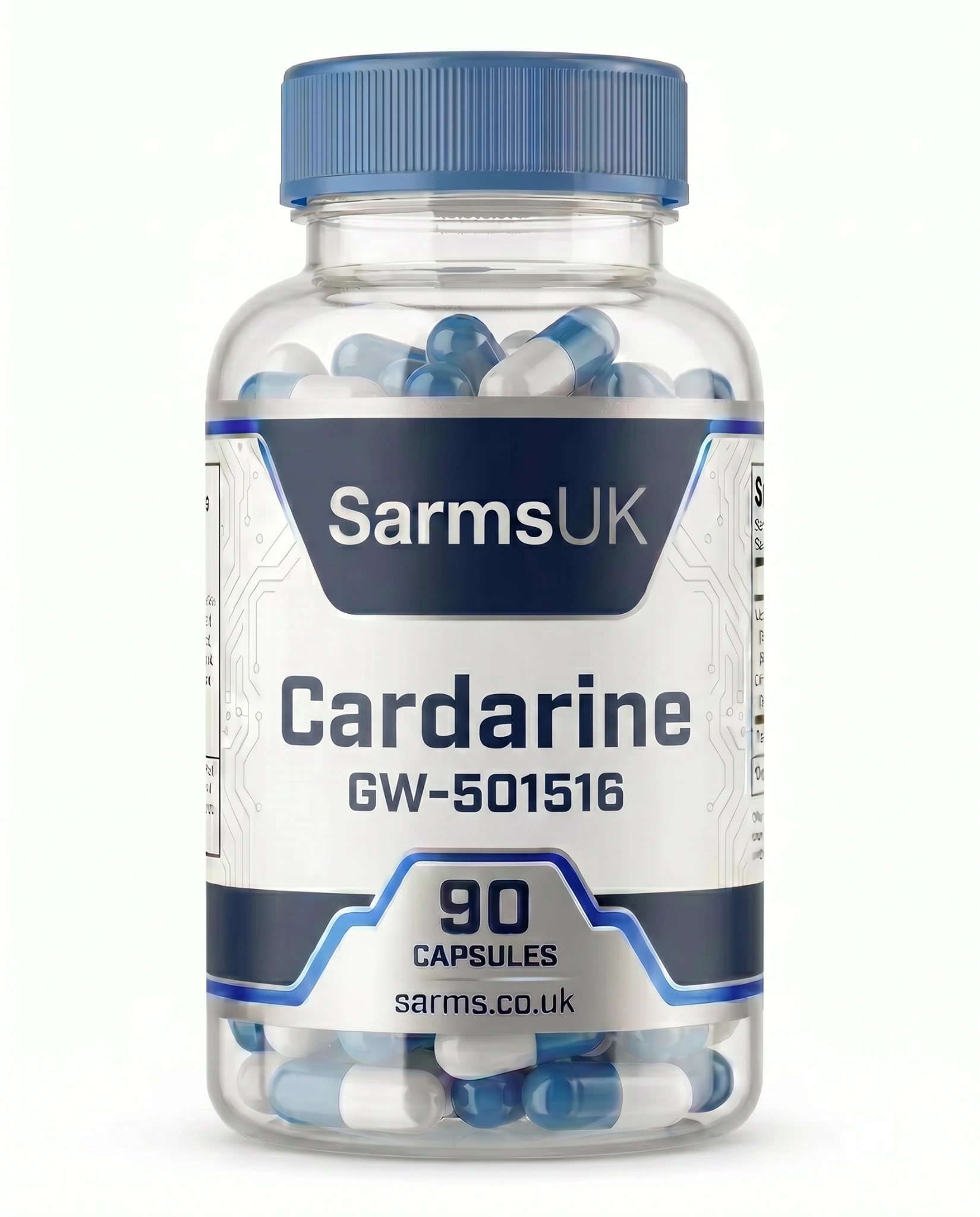
Cardarine (GW-501516)

  • PPARδ agonist — NOT a SARM (different mechanism entirely)
  • 99%+ purity — independently HPLC tested
  • Human Phase II clinical trial data (Olson et al., 2012)
  • Researched for endurance, fat oxidation & cardiovascular markers
  • No testosterone suppression — no PCT required
  • Free next-day UK delivery & international shipping
  • Manufactured in a GMP-certified UK facility
  • Certificate of Analysis included

£44.99

Buy Now
Compare

Buy Cardarine (GW-501516) UK from sarms.co.uk. Cardarine batches are HPLC-tested for identity and purity, then dispatched quickly across the UK for research-only use.

What Is Cardarine GW-501516 (Endurobol)?

Cardarine, also known as GW-501516, GW501516, GW 50156, or Endurobol, is not a SARM. Despite being sold alongside SARMs and frequently mislabelled as one, Cardarine is a peroxisome proliferator-activated receptor delta (PPARδ) agonist. It does not bind to androgen receptors at all. If you’ve been searching “is Cardarine a SARM” or wondering how does Cardarine work – it operates through an entirely different pathway to compounds like RAD-140 or Ostarine.

If you’re looking to buy Cardarine GW-501516 in the UK, sarms.co.uk supplies research-grade Endurobol capsules with 99%+ HPLC-verified purity, full Certificates of Analysis, and free next-day UK delivery. Every batch is manufactured in GMP-certified UK facilities and independently tested before and after compounding. Whether you’re searching for Cardarine for sale UK, GW501516 capsules, or the best Cardarine UK supplier, our HPLC-tested Cardarine meets the highest quality standards available.

Originally developed by GlaxoSmithKline (GSK) and Ligand Pharmaceuticals in the 1990s, GW-501516 was investigated for metabolic syndrome, obesity, and cardiovascular disease. The compound works through an entirely different mechanism to SARMs. It activates the PPARδ pathway, which regulates fatty acid oxidation, energy expenditure, and metabolic gene expression. That distinction matters: Cardarine doesn’t build muscle through androgen receptor activation. Its research interest lies in Cardarine endurance enhancement, Cardarine fat loss mechanisms, and cardiovascular biomarker improvement.

Compound Profile

Chemical Name {4-[({4-methyl-2-[4-(trifluoromethyl)phenyl]-1,3-thiazol-5-yl}methyl)sulfanyl]-2-methylphenoxy}acetic acid
Other Names Endurobol, GW 50156, GW50516, GSK-516
CAS Number 317318-70-0
Molecular Formula C₂₁H₁₈F₃NO₃S₂
Molecular Weight 453.49 g/mol
Half-Life ~16-24 hours (estimated from preclinical data)
Solubility PEG-300 / DMSO
Classification PPARδ agonist (NOT a SARM)
Developer GlaxoSmithKline / Ligand Pharmaceuticals
PubChem CID 9803963

How Does Cardarine GW-501516 Work? PPARδ Agonist Mechanism Explained

Cardarine activates the PPARδ nuclear receptor, a transcription factor for genes involved in energy metabolism. This PPARδ agonist mechanism is fundamentally different from SARMs, steroids, or any compound that works through androgen receptor binding. Understanding how Cardarine works explains why its research applications centre on fat burning and endurance rather than muscle growth.

1. Fatty Acid Oxidation and Cardarine Fat Loss

PPARδ activation shifts the body’s fuel preference from glucose to fatty acids. In preclinical models, this resulted in increased fat oxidation rates, meaning the body preferentially burns stored fat for energy. Narkar et al. (2008) demonstrated that GW-501516 upregulated genes involved in fatty acid catabolism in skeletal muscle (PMID: 18674809). This PPARδ agonist fat loss mechanism is why GW-501516 fat burning capabilities generate so much research interest. The shift toward fatty acid oxidation as a primary fuel source is the basis of most Cardarine weight loss research.

2. Cardarine Endurance Enhancement

The same 2008 Cell study showed that GW-501516 increased running endurance in mice by approximately 68%, even without exercise training. When combined with exercise, the GW501516 endurance enhancement effects were more pronounced. The researchers described it as an “exercise mimetic.” That single paper is responsible for most of the interest in Cardarine endurance applications and why athletes in endurance sports have been drawn to research on the compound.

3. Cardarine HDL Cholesterol and Lipid Profile Effects

A Phase II human clinical trial (Olson et al., 2012) in 24 overweight but otherwise healthy volunteers demonstrated that GW-501516 at 2.5 mg and 10 mg daily for 2 weeks significantly improved HDL cholesterol, reduced triglycerides, and lowered LDL cholesterol. These GW-501516 clinical trial results showed a 17% HDL increase at the 10 mg dose – all favourable cardiovascular markers (PMID: 22510402). The Cardarine lipid profile improvements remain some of the most cited findings in PPARδ agonist research.

4. No Androgenic Activity – Cardarine PCT Not Required

Because Cardarine does not interact with androgen receptors, it does not cause testosterone suppression, does not affect the HPTA axis, and does not require post-cycle therapy. Does Cardarine need PCT? No. This is one of the key reasons researchers study it alongside actual SARMs: the compounds target completely different pathways and don’t interfere with each other. The fact that Cardarine PCT is unnecessary makes it unique among compounds commonly sold in the research chemical space.

Published Research on Cardarine GW-501516

GW-501516 has both preclinical and limited human clinical data. Unlike many compounds sold in the research chemical space, Cardarine actually has a peer-reviewed evidence base worth examining. The GW-501516 clinical trial results provide a foundation that most research compounds lack entirely.

Endurance and Fat Metabolism (Preclinical)

Narkar et al. (2008) published a landmark study in Cell demonstrating that GW-501516 activated PPARδ in skeletal muscle, reprogramming muscle fibres to preferentially oxidise fatty acids. Mice treated with GW-501516 ran 68% longer on a treadmill test. The compound increased slow-twitch (Type I) muscle fibre proportion, the fibre type associated with PPARδ agonist endurance performance (PMID: 18674809). This remains the most-cited study when discussing Cardarine results in an endurance context.

Lipid Profile Improvement (Cardarine Human Trial Data)

Olson et al. (2012) conducted a 2-week Phase II trial in 24 overweight volunteers. At doses of 2.5 mg and 10 mg per day, GW-501516 produced statistically significant improvements in HDL cholesterol (+17% at 10 mg), reduced triglycerides, and improved the overall Cardarine lipid profile. No significant adverse effects were reported during the treatment period (PMID: 22510402). This Cardarine human trial is the only controlled clinical data available and forms the basis of most dosage discussions.

Anti-Inflammatory Effects

PPARδ activation has demonstrated anti-inflammatory properties in various tissue models. Research has shown reduced expression of pro-inflammatory cytokines and improved markers of vascular health in preclinical settings. This overlaps with the cardiovascular interest, since chronic inflammation drives many of the metabolic conditions GSK originally targeted when developing GW-501516.

Key Research Findings

  • 68% increase in running endurance in preclinical models, even without exercise training
  • Significant Cardarine HDL cholesterol improvement (+17%) in human subjects at 10 mg/day over just 2 weeks
  • Reduced triglycerides and LDL cholesterol in the same Cardarine human trial
  • Increased slow-twitch (Type I) muscle fibre proportion, favouring endurance capacity
  • Enhanced fatty acid oxidation rates in skeletal muscle tissue – the core GW-501516 fat burning mechanism
  • No testosterone suppression or androgenic Cardarine side effects at any tested dose
  • Anti-inflammatory effects across multiple preclinical tissue models

The GW-501516 Cancer Concern: Cardarine Cancer Risk in Full Context

GSK discontinued development of GW-501516 in 2007 after preclinical studies in rodents showed increased cancer incidence at very high doses administered over prolonged periods. The Cardarine cancer risk is the most discussed aspect of the compound’s safety profile, and it deserves honest context rather than dismissal.

The doses used in those rodent studies were substantially higher relative to body weight than those used in the Cardarine human trial. The 2-week human trial at 2.5 mg and 10 mg reported no safety signals. But here’s the critical point: two weeks is not long enough to assess cancer risk, and no long-term human safety data exists. The compound remains investigational, and GSK’s decision to abandon development was a commercial and regulatory judgment based on the preclinical signal.

Researchers should weigh this evidence carefully when designing protocols. The rodent data is real. The absence of long-term human data is also real. Anyone researching GW-501516 cancer studies should read the original publications rather than relying on forum summaries.

⚠️ Important: GW-501516 was abandoned by its developer due to safety concerns in preclinical models. No long-term human safety data exists. This compound is sold for research purposes only.

Cardarine GW-501516 vs SARMs: Key Differences

Since Cardarine is frequently and incorrectly grouped with SARMs, understanding the actual Cardarine vs SARMs differences matters for anyone designing a research protocol or simply trying to understand what GW-501516 is.

Factor Cardarine (GW-501516) Typical SARMs (RAD-140, Ostarine)
Mechanism PPARδ agonist Androgen receptor modulator
Primary effect Fat oxidation, endurance Lean mass, strength
Androgen receptor binding None Yes (selective)
Testosterone suppression None Dose-dependent
PCT required No Commonly recommended
Aromatisation N/A (not hormonal) None
Human clinical trials Phase II (2 weeks, lipids) Varies by compound
Development status Abandoned by GSK (2007) Various stages

The practical takeaway: Cardarine isn’t a SARM and shouldn’t be evaluated as one. It doesn’t build muscle through hormonal pathways. Its value in research lies in metabolic and endurance applications. That’s also why Cardarine PCT is not required, it doesn’t cause suppression, and can be studied alongside actual SARMs without pathway interference.

Cardarine GW-501516 Dosage and Cycle Length (Research Use Only)

Based on published GW-501516 clinical trial data and commonly referenced research protocols, here is what the literature supports regarding Cardarine dosage and Cardarine cycle length:

  • Clinical trial dosages: 2.5 mg and 10 mg per day (Olson et al., 2012)
  • Commonly referenced Cardarine dosage in research: 10-20 mg per day
  • Our Cardarine GW-501516 capsules contain 10 mg per capsule, 90 capsules per bottle
  • Cardarine half life: ~16-24 hours, supporting once-daily administration
  • Typical Cardarine cycle length in research: 8-12 weeks
  • Administration: Oral capsule

Worth noting: the Cardarine human trial used 2.5 mg and 10 mg per day and achieved significant metabolic improvements at both doses. The 10 mg dose produced a 17% increase in HDL cholesterol in just 2 weeks. That’s a low Cardarine dosage relative to what gets discussed outside clinical settings, and it produced measurable Cardarine results in a controlled environment. How long to take Cardarine depends entirely on the research protocol, but the published data only covers a 2-week window.

Cardarine Stacking: Research Applications for GW-501516

GW-501516 is one of the most versatile compounds in multi-target research protocols. Because it works through the PPARδ pathway rather than androgen receptors, Cardarine stacking with SARMs doesn’t create pathway competition. Common research applications include:

  • Metabolic syndrome research: GSK’s original development target for improved lipid profiles and insulin sensitivity
  • Cardiovascular health: HDL improvement, triglyceride reduction, anti-inflammatory effects
  • Endurance performance research: the “exercise mimetic” effect documented by Narkar et al.
  • Obesity and Cardarine weight loss research: enhanced fatty acid oxidation and preferential fat burning
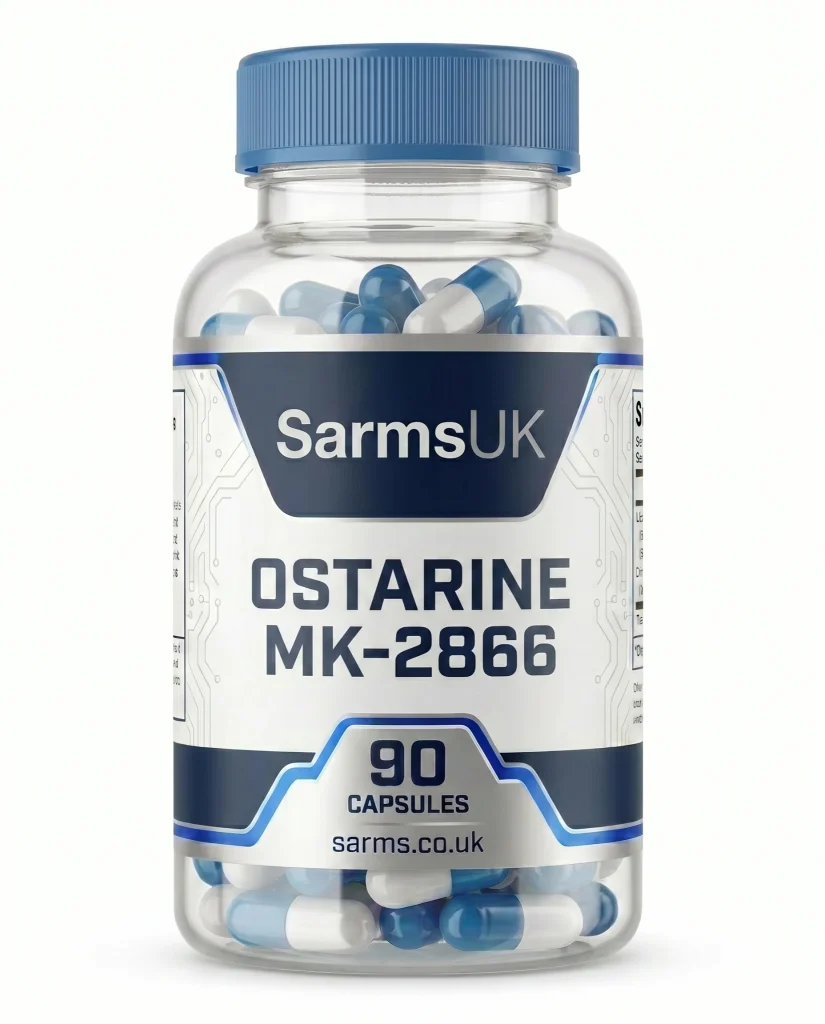
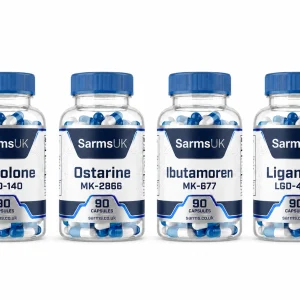
  • Cardarine Ostarine stack: commonly studied alongside Ostarine MK-2866 for body recomposition protocols, pairing Cardarine fat loss effects with Ostarine’s lean mass preservation
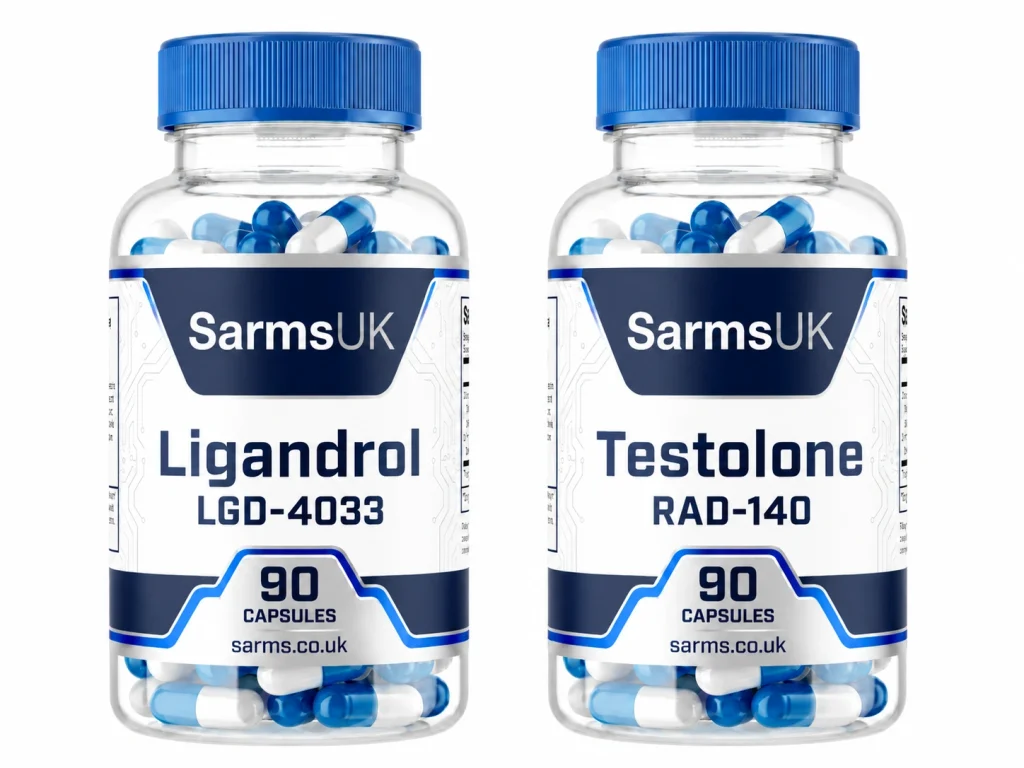
  • Cardarine RAD-140 stack: paired with RAD-140 (Testolone) in research settings where both endurance and lean mass are targets
  • Cardarine LGD-4033 stack: combined with Ligandrol for protocols targeting strength gains alongside metabolic improvements
  • Type 2 diabetes research: improved glucose metabolism and insulin sensitivity in preclinical models

Why Buy Cardarine GW-501516 from sarms.co.uk?

If you’re looking for the best place to buy Cardarine in the UK, here’s what sets us apart from other GW-501516 suppliers. When you order Cardarine UK from sarms.co.uk, you’re getting research-grade quality that competitors can’t match:

HPLC-Tested Cardarine – Purity You Can Verify

Every batch of our research-grade Cardarine is independently tested via High-Performance Liquid Chromatography (HPLC) by third-party laboratories. We publish full Certificates of Analysis. Download the PDF directly from this page and verify with the testing lab yourself. Our HPLC-tested Cardarine consistently shows 99%+ purity – the strongest Cardarine UK standard available.

Proper Concentration

10 mg GW-501516 per capsule, 90 capsules per bottle. No underdosed products, no proprietary blends. You know exactly what concentration of Endurobol you’re getting when you buy GW501516 from us.

UK Manufactured

Compounded in GMP-certified UK facilities. Not imported from unregulated overseas labs. When you buy GW-501516 from us, you’re getting a product manufactured under proper quality controls – that’s why we’re rated as the best Cardarine UK supplier by independent reviewers.

Transparent Supply Chain

We test raw materials before compounding and test the finished GW-501516 capsules after compounding. Two tests, two stages, full documentation. That’s why researchers across the UK trust sarms.co.uk as their Cardarine supplier and continue to buy Cardarine GW-501516 UK from us.

Storage and Handling

  • Store at room temperature (15-25°C) in a cool, dry place
  • Keep away from direct sunlight and moisture
  • Keep the container tightly sealed after each use
  • Keep out of reach of children
  • Do not use past the expiry date printed on the label
  • Shelf life: 24 months when stored correctly

Frequently Asked Questions About Cardarine GW-501516

Is Cardarine a SARM?

No. Cardarine (GW-501516) is a PPARδ agonist. It does not bind to androgen receptors and works through an entirely different mechanism to SARMs. It gets sold alongside SARMs because the research communities overlap, but Cardarine vs SARMs is an important distinction – they are completely different compound classes.

Is Cardarine legal in the UK?

Cardarine GW-501516 is legal to purchase in the UK for research purposes. It is not approved for human consumption by the MHRA. It is on WADA’s prohibited list for competitive athletes. You can legally buy Cardarine UK from licensed research chemical suppliers like sarms.co.uk.

Does Cardarine require PCT?

No. Because Cardarine does not interact with androgen receptors or affect the HPTA axis, it does not suppress testosterone production and Cardarine PCT is not required. This is one of the reasons it’s commonly studied alongside SARMs that do cause suppression – does Cardarine need PCT is one of the most common questions, and the answer is definitively no.

What about the GW-501516 cancer studies?

GSK discontinued development after rodent studies showed increased cancer incidence at high doses over prolonged periods. The Cardarine cancer risk data comes from doses substantially higher relative to body weight than those in the 2-week human trial, which reported no safety signals. No long-term human safety data exists. Researchers should factor this into protocol design and review the GW-501516 cancer studies directly rather than relying on secondhand summaries.

Can I stack Cardarine with SARMs?

Researchers commonly study Cardarine stacking with Ostarine (MK-2866) for body recomposition protocols, pairing Cardarine’s fat oxidation effects with Ostarine’s lean mass preservation. The Cardarine Ostarine stack is one of the most widely discussed combinations. It’s also frequently combined with RAD-140 or LGD-4033 in research settings where endurance and lean mass are both targets.

What GW-501516 dosage was used in the human trial?

Olson et al. (2012) used a Cardarine dosage of 2.5 mg and 10 mg per day for 2 weeks in overweight volunteers. Both doses produced significant improvements in HDL cholesterol and triglycerides with no adverse Cardarine side effects reported. The GW-501516 clinical trial results remain the only controlled human data available.

How does Cardarine improve endurance?

GW-501516 activates PPARδ, which reprograms skeletal muscle to preferentially oxidise fatty acids instead of glucose. This PPARδ agonist endurance mechanism shifts energy metabolism, increases slow-twitch muscle fibre proportion, and was shown to increase running endurance by approximately 68% in preclinical models (Narkar et al., 2008). Cardarine endurance enhancement is the compound’s most researched application after fat metabolism.

Where can I buy Cardarine GW-501516 in the UK?

sarms.co.uk sells research-grade Cardarine GW-501516 capsules (10 mg, 90 caps) with HPLC testing, full COA documentation, and free next-day UK delivery. All products are UK manufactured in GMP-certified facilities. Buy Cardarine GW-501516 UK with confidence from the most trusted supplier in the market.

What is the typical Cardarine cycle length?

Most research protocols reference a Cardarine cycle length of 8-12 weeks. The only Cardarine human trial ran for 2 weeks and produced significant metabolic improvements, but longer durations are commonly discussed in research literature. How long to take Cardarine depends on the specific research protocol, but no long-term safety data exists beyond the rodent studies that led GSK to discontinue development.

What Cardarine results can researchers expect?

Published Cardarine results data shows a 17% HDL increase and significant triglyceride reduction at 10 mg/day over 2 weeks in humans. Preclinical data showed a 68% endurance increase and enhanced GW-501516 fat burning. Cardarine before and after comparisons in research depend on protocol design, dosing, and the specific endpoints being measured.

What are the known Cardarine side effects?

The 2-week Cardarine human trial reported no significant adverse Cardarine side effects at 2.5 mg or 10 mg/day. The primary safety concern comes from preclinical rodent studies showing increased Cardarine cancer risk at high doses over extended periods. No long-term human side effect data exists. Researchers should review the full GW-501516 safety literature before designing protocols.

Is GW-501516 the same as Endurobol?

Yes. GW-501516, Endurobol, GW 50156, GW50516, and GSK-516 are all names for the same compound: the PPARδ agonist developed by GlaxoSmithKline. “Cardarine” is the most commonly used informal name, which is why searches for buy Cardarine UK, buy GW-501516, and buy Endurobol all lead to the same compound.

Related Research Compounds

Researchers studying Cardarine GW-501516 often investigate these complementary compounds for multi-target research protocols and Cardarine stacking applications:

  • Ostarine MK-2866: the most clinically studied SARM, commonly paired with Cardarine in Cardarine Ostarine stack recomposition protocols for its lean mass preservation properties
  • RAD-140 (Testolone): a potent SARM for lean mass research, frequently combined with GW-501516 in Cardarine RAD-140 stack protocols where both strength and endurance are targets
  • Stenabolic SR-9009: a Rev-ErbA agonist with overlapping metabolic research interest, also not a SARM despite being sold alongside them – often paired with Cardarine for dual metabolic pathway targeting
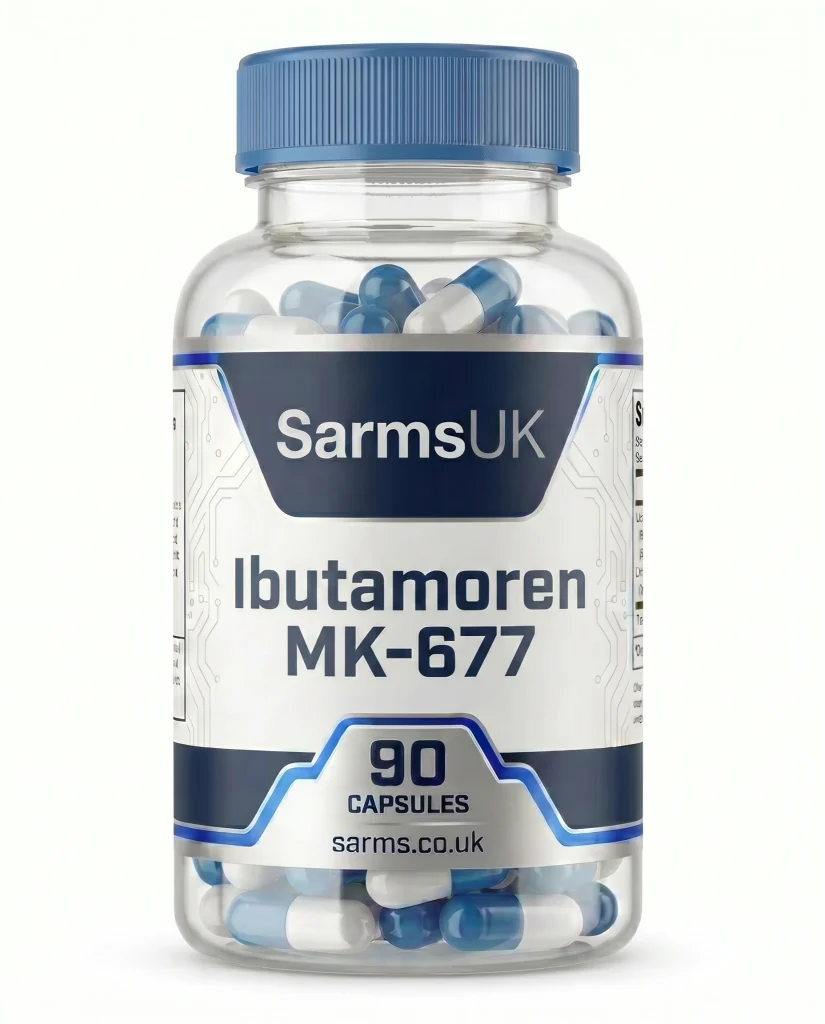
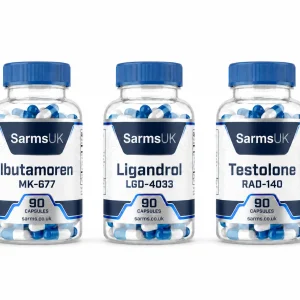
  • MK-677 (Ibutamoren): a growth hormone secretagogue studied for recovery and body composition, frequently combined with GW-501516 in multi-compound protocols
  • LGD-4033 (Ligandrol): a SARM targeting lean mass and strength, with researchers often adding Cardarine for its metabolic and endurance effects in a Cardarine LGD-4033 stack
  • Andarine S4: a SARM with cutting-phase research applications that complement Cardarine’s fat oxidation mechanism
  • YK-11: a myostatin inhibitor with unique anabolic properties, studied alongside GW-501516 in advanced research stacks
  • ACP-105: a newer SARM with favourable potency-to-side-effect ratios, increasingly studied in combination with Cardarine
  • Pre-Built SARMs Stacks: our ready-made research protocols that include Cardarine-containing combinations for convenience

References and Further Reading

  • Narkar VA, et al. (2008). “AMPK and PPARδ agonists are exercise mimetics.” Cell, 134(3), 405-415. PMID: 18674809
  • Olson EJ, et al. (2012). “Assessment of cardiovascular risk associated with a PPARδ agonist.” Regulatory Toxicology and Pharmacology, 63(1), 31-40. PMID: 22510402
  • Luquet S, et al. (2003). “Peroxisome proliferator-activated receptor delta controls muscle development and oxidative capability.” The FASEB Journal, 17(15), 2299-2301. PMID: 14525942
  • Wang YX, et al. (2004). “Regulation of muscle fiber type and running endurance by PPARδ.” PLoS Biology, 2(10), e294. PMID: 15328533

Disclaimers

  • Cardarine (GW-501516) is sold strictly for laboratory and research purposes only
  • This product is not intended for human consumption
  • Cardarine is not a medicine, supplement, or food product
  • GW-501516 was abandoned by its developer (GSK) due to preclinical safety concerns. Researchers should review the full literature before designing protocols
  • Not suitable for individuals under 18 years of age
  • Pregnant or breastfeeding women must not handle this compound
  • Researchers should consult qualified professionals and adhere to all applicable regulations
  • sarms.co.uk does not provide medical advice and makes no claims regarding therapeutic outcomes
  • We are not responsible for any adverse effects resulting from misuse of this product
  • The content on this page does not constitute medical advice

Content last reviewed: February 2026

Research FAQ

  • What is Cardarine (GW-501516) usually researched for?

    Cardarine is frequently studied in endurance and metabolic-efficiency models linked to PPARδ pathway activity.

  • How is Cardarine quality controlled?

    Quality control includes identity/purity checks with HPLC-driven validation before stock is released.

  • How does Cardarine differ from SR-9009 in research context?

    Both are used in performance/metabolic research, but they target different pathways and are chosen based on study design goals.

Weight 4.2 kg
Dimensions 1 × 2 × 3 cm

Reviews

There are no reviews yet

Be the first to review “Cardarine (GW-501516)”