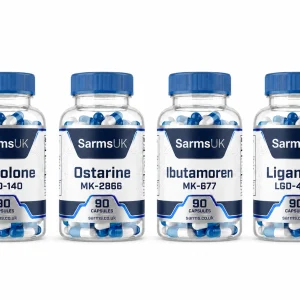
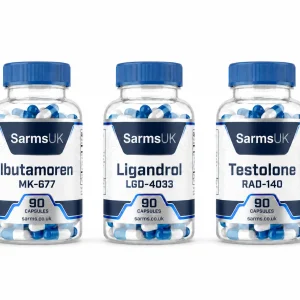
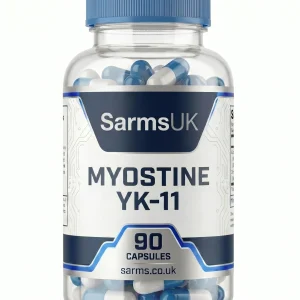
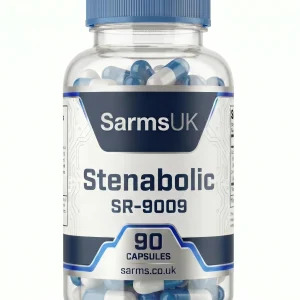
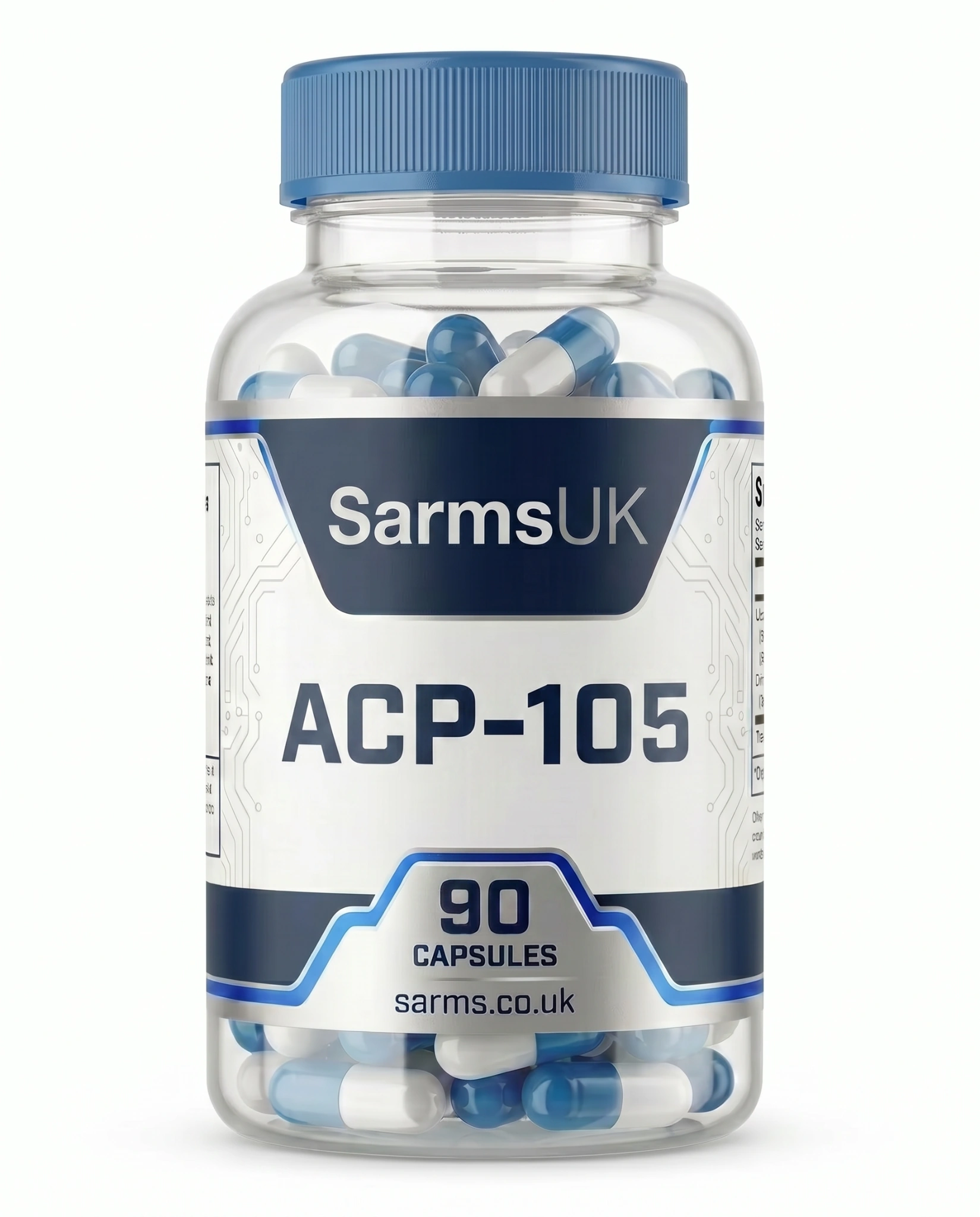
ACP-105

  • Research-grade non-steroidal SARM (partial AR agonist)
  • 99%+ purity — independently HPLC tested
  • ~66% anabolic, ~21% androgenic potency vs testosterone
  • Developed by Acadia Pharmaceuticals
  • Free next-day UK delivery & international shipping
  • Manufactured in a GMP-certified UK facility
  • Certificate of Analysis included

£59.99

Buy Now
Compare
Category: Brand:

What Is ACP-105?

ACP-105 is a non-steroidal selective androgen receptor modulator (SARM) developed by Acadia Pharmaceuticals, a company best known for its work in neurology. It was designed as a potential treatment for muscle wasting, osteoporosis, and cognitive decline, targeting anabolic effects in muscle and bone tissue while minimising androgenic activity in other tissues like the prostate.

If you’re looking to buy ACP-105 in the UK, sarms.co.uk supplies research-grade ACP-105 capsules with 99%+ HPLC-verified purity, full Certificates of Analysis, and free next-day UK delivery. Every batch is manufactured in GMP-certified UK facilities and independently tested by third-party laboratories. Whether you’re searching for ACP-105 SARM for sale, ACP-105 buy UK, or the best place to buy research-grade ACP-105 online, our HPLC-tested capsules meet the highest quality standards available for this compound.

ACP-105 is one of the less commonly discussed SARMs, with limited published data compared to compounds like Ostarine (MK-2866) or LGD-4033. The available preclinical data suggests moderate anabolic potency with a favourable tissue selectivity profile. In animal models, ACP-105 demonstrated approximately 66% of testosterone’s anabolic potency with only 21% of its androgenic effects, giving it a selectivity ratio of roughly 3:1 in favour of muscle and bone over prostate tissue.

What makes ACP-105 particularly interesting is Acadia’s background. Unlike most SARM developers (GTx for Ostarine, Viking Therapeutics for LGD-4033), Acadia Pharmaceuticals focuses on neurological conditions. They later developed pimavanserin for Parkinson’s disease psychosis. Their investigation of ACP-105 included preliminary work on potential neuroprotective properties, which is unusual for a SARM and gives this compound a research angle that no other SARM offers. However, Acadia chose not to advance ACP-105 into human clinical trials, and the compound’s published evidence base remains among the thinnest of any SARM currently available.

Compound Profile

Chemical Name (2R)-2-[2,2,2-trifluoro-1-hydroxy-1-(trifluoromethyl)ethyl]-4-(4-fluorophenyl)pyrrolidine-1-carboxamide
Other Names None widely used
CAS Number 899821-20-2
Molecular Formula C₁₄H₁₄F₇N₂O₂
Molecular Weight 391.27 g/mol
Half-Life ~6 hours (estimated from preclinical data)
Solubility PEG-300 / DMSO
Classification Non-steroidal SARM (partial agonist)
Developer Acadia Pharmaceuticals (San Diego, USA)
PubChem CID 44463810

How Does ACP-105 Work? Mechanism of Action

ACP-105 works through selective androgen receptor modulation, binding to ARs in muscle and bone tissue to trigger anabolic signalling while producing substantially less stimulation in androgenic tissues like the prostate. Understanding the mechanism helps explain both ACP-105’s potential benefits and its position relative to other SARMs.

Partial Androgen Receptor Agonism

ACP-105 functions as a partial agonist of the androgen receptor. This means it binds to the AR and activates downstream gene transcription, but not to the same maximal extent as a full agonist like testosterone or DHT. Partial agonism has implications for both potency and side effects: ACP-105 produces moderate anabolic stimulation while theoretically causing less receptor overstimulation than full AR agonists. This is conceptually similar to how YK-11 functions as a partial AR agonist, though ACP-105 is non-steroidal and structurally unrelated.

Tissue Selectivity Profile

The key feature of ACP-105 is its selectivity for muscle and bone tissue over androgenic tissues. Preclinical data from Acadia Pharmaceuticals’ discovery programme reports approximately 66% anabolic activity (measured in muscle tissue) and only 21% androgenic activity (measured in prostate tissue) relative to testosterone. That 3:1 selectivity ratio means ACP-105 produces meaningful anabolic stimulation with substantially reduced androgenic side effect potential. For context, testosterone has a 1:1 ratio by definition.

Non-Steroidal Structure

Unlike YK-11, which has a steroidal backbone derived from DHT, ACP-105 is a purely non-steroidal compound. Its pyrrolidine-based structure means it does not convert to oestrogen (no aromatisation), does not convert to DHT, and does not carry the theoretical hepatotoxicity concerns associated with methylated steroids. This structural class is shared with Ostarine, LGD-4033, RAD-140, and Andarine S4.

Potential Neuroprotective Properties

Androgen receptors are present throughout the brain, and androgen signalling plays a role in neuronal health, cognitive function, and neuroprotection. Acadia Pharmaceuticals investigated ACP-105 partly for potential neuroprotective applications, which is consistent with their broader focus on neurological conditions. Published data on this aspect is extremely limited, but the theoretical basis is sound: AR activation in neural tissue has shown protective effects in some preclinical models of neurodegeneration. No other SARM has been specifically investigated for cognitive or neuroprotective effects by its developer.

No Aromatisation

Like all non-steroidal SARMs, ACP-105 does not undergo aromatisation (conversion to oestrogen). This means it does not carry the risk of oestrogenic side effects such as gynecomastia or water retention that are associated with aromatisable anabolic steroids.

Published Research on ACP-105

The published research on ACP-105 is limited compared to better-characterised SARMs. Most of the available data comes from Acadia Pharmaceuticals’ patent filings and conference presentations rather than peer-reviewed journal publications. This is an important distinction that researchers should consider when evaluating the compound.

Preclinical Characterisation

ACP-105 was identified through Acadia Pharmaceuticals’ SARM discovery programme. Patent filings describe it as a partial androgen receptor agonist with tissue-selective anabolic effects. In animal models (primarily rodent studies), ACP-105 demonstrated dose-dependent increases in skeletal muscle mass and bone mineral density with substantially reduced prostate stimulation compared to testosterone at equianabolic doses.

Selectivity Data from Preclinical Models

The most frequently cited preclinical data reports ACP-105 as having approximately 66% of testosterone’s anabolic activity in muscle tissue and approximately 21% of testosterone’s androgenic activity in prostate tissue. This data comes from the Hershberger assay (the standard preclinical assay for measuring anabolic vs androgenic effects in rodent models). The resulting selectivity ratio of approximately 3:1 is moderate compared to RAD-140’s reported 90:1 ratio, but meaningful nonetheless.

Bone Density Effects

Preclinical models showed ACP-105 increased bone mineral density and bone strength in orchidectomised rats (a model for androgen-deficient bone loss). This is consistent with the known role of androgen receptor signalling in osteoblast function and is relevant to the original osteoporosis indication that Acadia was investigating.

Neuroprotective Investigation

Acadia’s research programme included preliminary investigation of ACP-105 for neuroprotective effects. Androgen receptors in the brain are involved in neuronal survival, synaptic plasticity, and cognitive function. While specific published results on ACP-105’s neuroprotective effects are scarce, the investigation itself is notable because no other SARM developer has publicly explored this angle.

What the Literature Does Not Tell Us

  • No human clinical trials: Acadia did not advance ACP-105 into Phase I or any subsequent human studies
  • No peer-reviewed efficacy publications: Most data comes from patents and conference abstracts, not full peer-reviewed papers
  • No human pharmacokinetic data: The estimated 6-hour half-life comes from preclinical data, not human measurements
  • No human safety data: Suppression severity, liver effects, lipid changes, and long-term consequences are completely unknown in humans
  • No head-to-head comparisons: No published studies directly compare ACP-105 against other SARMs
  • Developer abandoned the compound: Acadia chose not to pursue clinical development, though this appears to be a strategic business decision (pivot to neurology drugs) rather than a safety-related withdrawal

⚠️ Important: ACP-105 has NO human clinical data and very limited published research. Most available data comes from patent filings rather than peer-reviewed publications. It is sold for research purposes only.

ACP-105 vs Other SARMs: How Does It Compare?

ACP-105 occupies an unusual position in the SARM landscape. It has moderate potency, decent selectivity, and an interesting neuroprotective angle, but the weakest published evidence base of any well-known SARM. The comparison below highlights where it sits relative to compounds researchers commonly evaluate.

Factor ACP-105 Ostarine MK-2866 LGD-4033 Ligandrol RAD-140 Testolone
Chemical class Non-steroidal Non-steroidal Non-steroidal Non-steroidal
AR activity Partial agonist Full agonist Full agonist Full agonist
Anabolic potency Moderate (~66% of testosterone) Moderate High High (90:1 ratio)
Human clinical trials None Phase II & III completed Phase I completed None completed
Evidence quality Patent data, limited preclinical Multiple human trials Phase I + preclinical Preclinical + limited human
Androgenic activity ~21% of testosterone Low Low-moderate Very low (90:1 selectivity)
HPTA suppression Unknown (likely mild-moderate) Mild to moderate, reversible Moderate, reversible Likely dose-dependent
Neuroprotective research Preliminary (Acadia) None specific None specific Preclinical data exists
Developer status Abandoned (Acadia) Abandoned (GTx) Active (Viking Therapeutics) Active (Radius Health)

ACP-105 vs Ostarine (MK-2866)

Ostarine MK-2866 is the most clinically studied SARM, with Phase II and Phase III human trial data demonstrating lean mass preservation and improvements in physical function. ACP-105 and Ostarine have comparable moderate potency profiles, but Ostarine has vastly more published evidence. Researchers comparing ACP-105 vs Ostarine should note that Ostarine provides validated human safety and efficacy data while ACP-105 relies on patent-derived preclinical data. Ostarine is the safer research choice for protocols requiring evidence-backed compounds.

ACP-105 vs RAD-140 (Testolone)

RAD-140 Testolone has a reported 90:1 anabolic-to-androgenic ratio, making it substantially more selective than ACP-105’s 3:1 ratio. RAD-140 also has more extensive preclinical data and limited human study data. For researchers comparing ACP-105 vs RAD-140, the key distinction is that RAD-140 is both more potent and better characterised. ACP-105’s potential advantage is its milder profile, which may suit protocols where lower potency is desirable.

ACP-105 vs LGD-4033 (Ligandrol)

LGD-4033 Ligandrol is the only SARM with Phase I human data showing measurable lean mass gains (1.21 kg in 21 days at 1 mg/day). LGD-4033 is more potent than ACP-105 and has a substantially stronger evidence base. For researchers weighing ACP-105 vs LGD-4033, LGD-4033 is the clear choice if evidence quality and demonstrated potency are priorities.

ACP-105 vs Andarine S4

Andarine S4 has more extensive preclinical data than ACP-105, including studies in orchidectomised rat models demonstrating effects on muscle, bone, and fat tissue. Both are moderate-potency SARMs, but Andarine has a longer research history and more published animal data. The main downside of Andarine is the well-documented (though reversible) visual side effects at higher doses, which ACP-105 does not appear to share.

ACP-105 vs AC-262,536

AC-262,536 is another SARM from the same Acadia Pharmaceuticals discovery programme. Both compounds are partial AR agonists with non-steroidal structures and moderate potency profiles. AC-262,536 has a reported selectivity ratio of approximately 2.45:1 (66% anabolic / 27% androgenic), making it slightly less selective than ACP-105. Neither compound was advanced into human trials. Researchers comparing ACP-105 vs AC-262 are choosing between two closely related compounds from the same developer with similarly thin evidence bases.

ACP-105 Dosage and Administration (Research Use Only)

There are no human clinical studies establishing dosing for ACP-105. All dosage references for this compound are extrapolated from preclinical data or anecdotal reports. The absence of human pharmacokinetic data means no dose-response curve has been established in people.

  • Clinical trial dosages: None. No human trials have been conducted with ACP-105.
  • Preclinical effective doses: Animal studies used doses that, when scaled allometrically, suggest human-equivalent doses in the 5-15 mg range. This scaling is approximate and has not been validated.
  • Commonly referenced research dosages: 5-10 mg per day is the most frequently cited range
  • ACP-105 half-life: Approximately 6 hours (estimated from preclinical pharmacokinetic data)
  • Split dosing: The short estimated ACP-105 half-life suggests split dosing (twice daily) may maintain more stable plasma concentrations than once-daily administration
  • ACP-105 cycle length: 8-12 weeks is commonly referenced, which is longer than some other SARMs and reflects the compound’s moderate potency
  • Administration: Oral capsule (10 mg per capsule)

The dosage uncertainty is compounded by the lack of published bioavailability data. Without knowing what percentage of an oral ACP-105 dose reaches systemic circulation in humans, even preclinical dose extrapolations carry significant uncertainty.

ACP-105 Side Effects: What We Know and What We Don’t

The ACP-105 side effect profile in humans is unknown. No human safety studies have been conducted. What follows are theoretical considerations based on the compound’s pharmacological profile, not documented adverse events from controlled research.

HPTA Suppression

As a partial androgen receptor agonist, ACP-105 is expected to cause some degree of hypothalamic-pituitary-testicular axis suppression. The partial agonist nature and moderate potency suggest suppression may be milder than full AR agonists like LGD-4033 or RAD-140, but this is theoretical. No blood work data from controlled human studies exists for ACP-105.

Liver Considerations

ACP-105 is non-steroidal and does not carry the structural features (17-alpha alkylation) associated with hepatotoxicity in oral steroids. Non-steroidal SARMs generally show favourable liver profiles in preclinical and clinical studies (Ostarine and LGD-4033 showed no liver enzyme elevations in human trials at therapeutic doses). ACP-105 is expected to follow a similar pattern, but this has not been confirmed in humans.

Other Theoretical Considerations

  • Lipid profile changes (mild HDL suppression) are possible, as seen with other non-steroidal SARMs in human trials
  • No aromatisation means no oestrogenic side effects (gynecomastia, water retention)
  • No DHT conversion means no DHT-related side effects (hair loss, prostate stimulation) beyond direct AR activation
  • Long-term effects are completely unknown

Does ACP-105 Require PCT?

As a partial AR agonist, ACP-105 may cause some degree of HPTA suppression, though the extent is unknown due to the complete absence of human data. The moderate potency and partial agonism suggest suppression may be milder than more potent SARMs like LGD-4033 or RAD-140.

Most researchers include post-cycle therapy protocols as a precaution, particularly for longer research cycles (10+ weeks) or higher doses. At lower doses and shorter durations, suppression may be minimal, but without blood work data from controlled studies, this remains a judgement call. Researchers should base PCT decisions on individual blood work rather than assumptions about the compound’s mild profile.

ACP-105 Stacking: Common Research Combinations

ACP-105’s moderate potency profile makes it a common candidate for stacking with other compounds, either to enhance overall anabolic signalling or to address multiple research endpoints simultaneously.

ACP-105 and Ostarine Stack

The ACP-105 Ostarine stack combines two moderate-potency SARMs with different AR activation profiles (partial vs full agonism). The rationale is complementary receptor stimulation: ACP-105’s partial agonism may produce different downstream gene expression patterns than Ostarine’s full agonism, potentially yielding additive effects. Both compounds are expected to cause mild-moderate suppression, so the combined HPTA impact should be monitored.

ACP-105 and RAD-140 Stack

Pairing ACP-105 with RAD-140 Testolone combines a moderate partial agonist with a potent full agonist. The ACP-105 RAD-140 stack is sometimes investigated in protocols where researchers want RAD-140’s potent anabolic effects alongside ACP-105’s potential neuroprotective properties. The suppression impact of this combination is expected to be driven primarily by RAD-140.

ACP-105 and MK-677 Stack

Combining ACP-105 with MK-677 Ibutamoren targets two independent growth pathways: androgen receptor-mediated anabolism (ACP-105) and GH/IGF-1 axis elevation (MK-677). MK-677 does not cause HPTA suppression, making it a theoretically complementary addition that does not compound the hormonal impact of ACP-105. This combination is commonly referenced in recovery-focused research protocols.

ACP-105 and Cardarine Stack

The ACP-105 Cardarine combination pairs ACP-105’s anabolic effects with Cardarine’s PPARδ-mediated fat oxidation and endurance enhancement. Cardarine does not interact with androgen receptors and does not cause HPTA suppression, making it a common recomposition-focused pairing.

ACP-105 and AC-262,536 Stack

Some researchers combine ACP-105 with its cousin compound AC-262,536 from the same Acadia discovery programme. Both are partial AR agonists with slightly different selectivity profiles. Whether combining two partial agonists from the same compound class produces meaningfully additive effects is debatable and has not been studied.

Why Was ACP-105 Abandoned?

A common question about ACP-105 is why Acadia Pharmaceuticals chose not to advance it into human trials. The answer appears to be strategic rather than safety-related.

Acadia Pharmaceuticals underwent a significant strategic pivot in the late 2000s, focusing their pipeline and resources on neurological conditions. This decision led to the development of pimavanserin (Nuplazid), which was approved by the FDA in 2016 for Parkinson’s disease psychosis and became the company’s flagship product. The SARM programme, including ACP-105, was deprioritised as part of this strategic refocusing.

There are no published reports of safety signals or toxicological findings that specifically caused ACP-105 to be dropped. The compound simply did not align with Acadia’s revised commercial strategy. This is a common occurrence in pharmaceutical development: promising preclinical compounds are shelved for business reasons rather than scientific ones.

That said, the lack of clinical advancement means there is no human validation of ACP-105’s preclinical promise. Researchers should treat the compound accordingly.

ACP-105 for Cognitive Research

One of ACP-105’s most distinctive features is its connection to neuroprotective research. Acadia Pharmaceuticals specifically investigated SARM compounds for potential cognitive applications, which sets ACP-105 apart from every other SARM in this category.

The scientific basis is straightforward: androgen receptors are expressed throughout the central nervous system, including in the hippocampus, cortex, and amygdala. Androgen signalling in these regions has been associated with neuronal survival, synaptic plasticity, memory formation, and protection against neurodegenerative processes. Age-related androgen decline correlates with cognitive decline in some studies.

SARMs that selectively activate brain ARs without causing systemic androgenic effects could theoretically provide neuroprotective benefits without the side effect burden of testosterone replacement. This is the hypothesis Acadia was exploring with their SARM programme.

However, the published evidence for ACP-105’s specific neuroprotective effects is essentially non-existent in the public domain. Any cognitive benefits attributed to ACP-105 are extrapolated from the general body of research on androgen signalling in the brain, not from ACP-105-specific studies. Researchers interested in this angle should treat it as a hypothesis to investigate, not a demonstrated property.

Who’s Researching ACP-105?

  • Muscle wasting researchers investigating moderate-potency SARMs for lean mass preservation protocols, particularly where a less aggressive compound than RAD-140 or LGD-4033 is preferred
  • Bone density researchers building on preclinical data showing ACP-105 increased bone mineral density in androgen-deficient animal models
  • Cognitive and neuroprotection researchers exploring the theoretical basis for SARM-mediated neuroprotection via brain androgen receptor activation
  • Comparative SARM researchers studying partial versus full AR agonism and what implications the distinction has for efficacy and tolerability
  • Stack researchers using ACP-105 as a moderate base compound in multi-compound research protocols
  • Tolerability researchers seeking compounds with mild side effect profiles for longer-duration protocols where aggressive HPTA suppression is undesirable

Why Buy ACP-105 from sarms.co.uk?

Purity You Can Verify

Every batch of ACP-105 is independently tested via High-Performance Liquid Chromatography (HPLC) by accredited third-party laboratories. We publish full Certificates of Analysis for every batch. Download the PDF directly from this page and verify with the testing lab independently. With a compound as poorly characterised as ACP-105, verified purity is especially critical.

Proper Concentration

10 mg per capsule, 90 capsules per bottle. No underdosed products, no proprietary blends, no ambiguity. Precise dosing is essential for reproducible research, particularly with a compound where the dose-response relationship is poorly understood.

UK Manufactured

Compounded in GMP-certified UK facilities. Not imported from unregulated overseas laboratories. Raw materials are tested before compounding. Finished products are tested after compounding. Two-stage quality control with full documentation.

Capsules for Consistent Dosing

We sell ACP-105 in capsule form for consistent per-dose accuracy. Given the compound’s short estimated half-life (~6 hours) and the potential need for split dosing, capsules provide the most practical format for researchers who need repeatable measurements across multiple daily administrations.

Free Next-Day UK Delivery

All orders ship free with next-day UK delivery. No minimum order, no hidden shipping fees.

Storage and Handling

  • Store at room temperature (15-25°C) in a cool, dry place
  • Keep away from direct sunlight and moisture
  • Keep the container tightly sealed after each use
  • Keep out of reach of children
  • Do not use past the expiry date printed on the label
  • Shelf life: 24 months when stored correctly

Frequently Asked Questions About ACP-105

What is ACP-105?

ACP-105 is a non-steroidal selective androgen receptor modulator (SARM) developed by Acadia Pharmaceuticals. It functions as a partial AR agonist with moderate anabolic potency (approximately 66% of testosterone) and a favourable selectivity profile that preferentially targets muscle and bone tissue over androgenic tissues.

Is ACP-105 stronger than Ostarine?

ACP-105 and Ostarine have comparable moderate potency profiles based on available data. However, Ostarine has vastly more published evidence, including multiple human clinical trials (Phase II and III), while ACP-105 has only limited preclinical data from patent filings. In terms of validated, evidence-backed potency data, Ostarine is the stronger choice.

What are the ACP-105 side effects?

No ACP-105 side effects have been documented in human studies because no such studies exist. Theoretical side effects include mild HPTA suppression (expected for any AR agonist), possible minor lipid changes, and the general unknowns associated with any untested compound. The non-steroidal structure suggests lower liver risk than steroidal compounds.

What is the ACP-105 dosage?

There is no clinically established ACP-105 dosage. The commonly referenced research range is 5-10 mg per day based on allometric scaling from preclinical data. Without human pharmacokinetic or dose-response studies, all dosage references are approximate.

Does ACP-105 require PCT?

As a partial androgen receptor agonist, ACP-105 may cause some HPTA suppression. Most researchers include PCT protocols as a precaution, particularly for longer cycles or higher doses. The suppression level is unknown but expected to be milder than more potent SARMs like LGD-4033 or RAD-140.

Why was ACP-105 abandoned by Acadia?

Acadia Pharmaceuticals shifted its strategic focus to neurological conditions, leading to the deprioritisation of their SARM programme including ACP-105. The company later developed pimavanserin (Nuplazid) for Parkinson’s disease psychosis. There are no published reports of safety signals that caused ACP-105 to be dropped; it appears to have been a business decision.

Does ACP-105 have cognitive benefits?

Acadia Pharmaceuticals investigated ACP-105 partly for potential neuroprotective effects, which is unusual for a SARM. Androgen receptors in the brain are involved in neuronal survival and cognitive function. However, published data on ACP-105’s specific neuroprotective effects is essentially non-existent. Any cognitive benefit claims are extrapolated from general AR-brain research, not ACP-105-specific studies.

What is the ACP-105 half-life?

The ACP-105 half-life is estimated at approximately 6 hours based on preclinical pharmacokinetic data. This has not been measured in human subjects. The short estimated half-life suggests split dosing (twice daily) may provide more stable plasma concentrations.

Is ACP-105 legal in the UK?

ACP-105 is legal to purchase in the UK for research purposes. It is not approved for human consumption by the MHRA. It is on WADA’s prohibited list for competitive athletes.

How does ACP-105 compare to RAD-140?

RAD-140 has a reported 90:1 anabolic-to-androgenic ratio, making it substantially more selective and potent than ACP-105’s 3:1 ratio. RAD-140 also has more extensive published data. ACP-105’s potential advantage is its milder profile, which may suit research protocols where lower potency and reduced suppression are preferred.

Can you stack ACP-105 with other SARMs?

ACP-105 is commonly combined with other compounds in research protocols. Frequently referenced stacks include ACP-105 with Ostarine, RAD-140, MK-677, or Cardarine. The moderate potency profile makes it a common base compound in multi-target protocols. Stacking introduces additional variables and should be approached with appropriate caution.

What is the difference between ACP-105 and AC-262,536?

Both are non-steroidal partial AR agonists from Acadia Pharmaceuticals’ SARM discovery programme. ACP-105 has a selectivity ratio of approximately 3:1, while AC-262,536 has a ratio of approximately 2.45:1, making ACP-105 slightly more selective. Neither was advanced into human trials, and both have similarly thin published evidence bases.

Related SARMs and Research Compounds

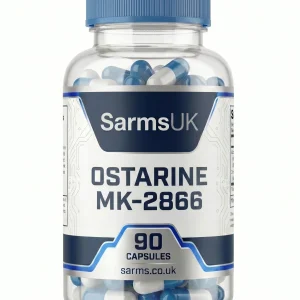
  • MK-2866 Ostarine (Enobosarm) – the most clinically studied SARM, with Phase II and III human trial data. The best evidence-backed alternative for researchers who prioritise validated data over theoretical properties
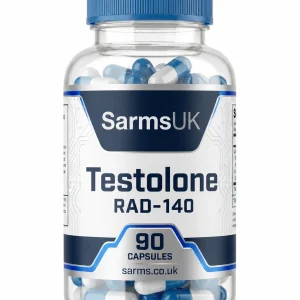
  • RAD-140 Testolone – a potent non-steroidal SARM with a 90:1 anabolic-to-androgenic ratio. Substantially more potent and better characterised than ACP-105
  • LGD-4033 Ligandrol – the only SARM with Phase I human data showing measurable lean mass gains. More potent than ACP-105 with a stronger evidence base
  • Andarine S4 – a moderate-potency non-steroidal SARM with more extensive preclinical data than ACP-105. Commonly studied for cutting and recomposition
  • YK-11 Myostine – a steroidal SARM with myostatin-inhibiting properties. Unlike ACP-105, YK-11 has a DHT-derived structure and a completely different mechanism
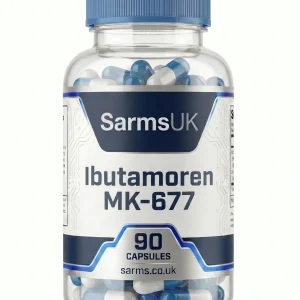
  • MK-677 Ibutamoren – a growth hormone secretagogue commonly stacked with ACP-105 for recovery support without additional HPTA suppression
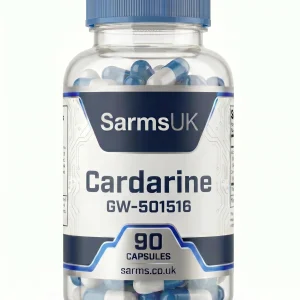
  • Cardarine GW-501516 (Endurobol) – a PPARδ agonist commonly paired with ACP-105 in recomposition protocols
  • SR-9009 Stenabolic – a Rev-Erbα agonist studied for metabolic and circadian rhythm effects

References and Further Reading

  • Narayanan R, et al. (2018). “Selective Androgen Receptor Modulators (SARMs) as Function Promoting Therapies.” Current Opinion in Clinical Nutrition and Metabolic Care, 21(3), 233-237. PMID: 29528862
  • Mohler ML, et al. (2009). “Nonsteroidal selective androgen receptor modulators (SARMs): dissociating the anabolic and androgenic activities of the androgen receptor for therapeutic benefit.” Journal of Medicinal Chemistry, 52(12), 3597-3617. PMID: 19432422
  • Acadia Pharmaceuticals. Patent filings for selective androgen receptor modulator compounds (including ACP-105 and AC-262,536).

Disclaimers

  • ACP-105 is sold strictly for laboratory and research purposes only
  • This product is not intended for human consumption
  • ACP-105 is not a medicine, supplement, or food product
  • No human clinical trials or safety data exist for this compound
  • ACP-105 was not advanced into human clinical development by its developer
  • Most available data comes from patent filings rather than peer-reviewed publications
  • Not suitable for individuals under 18 years of age
  • Pregnant or breastfeeding women must not handle this compound
  • Researchers should consult qualified professionals and adhere to all applicable regulations
  • sarms.co.uk does not provide medical advice and makes no claims regarding therapeutic outcomes
  • We are not responsible for any adverse effects resulting from misuse of this product
  • The content on this page does not constitute medical advice

Content last reviewed: 17 February 2026

Weight 4.2 kg
Dimensions 1 × 2 × 3 cm

Reviews

There are no reviews yet

Be the first to review “ACP-105”